La Orilla Advocacy Project / Proyecto de Defensa de La Orilla

Prepared complaint letters

Choose a letter matched to the agency and legal question you want reviewed. Each letter includes the recipient, public contact path, evidence limits, and the specific factual findings requested.

The drafts report confirmed capture and removal of multiple animals while leaving jurisdiction, permit status, species identification, causation, and any legal violation for responsible authorities to determine.

La Orilla Advocacy Project

During an exceptionally dry Albuquerque summer, persistent water inside the La Orilla Outlet Water Quality Structure became an unintended refuge for wildlife. On August 25, 2026, AMAFCA-authorized work began while animals were still present. Before citizens intervened, workers dumped a considerable amount of dirt into the habitat, likely covering some animals still inside.

A public outcry grew as residents tried to save the animals. Only afterward did people associated with the City of Albuquerque’s Urban Biology Division and Albuquerque Open Space personnel appear at the site. Residents who protested and tried to intervene were also portrayed as agitators or as interfering with city workers doing their jobs. The public record does not show a complete wildlife survey or habitat assessment before work began, and the later response left the handling, relocation, and fate of the animals unresolved.

The La Orilla Advocacy Project documents what happened, preserves evidence, seeks accountability, and works to prevent it from happening again.

AMAFCA authorized the on-site work, but that agency authorization is distinct from the question of whether every required permit and regulatory approval was obtained. The filling appears to have proceeded without publicly available evidence of a proper hydrologic survey, wildlife survey, habitat assessment, water-quality assessment, or review of impacts to connected waterways. Because the site is close to the Rio Grande watershed, it may threaten protected native species, including the Rio Grande silvery minnow, and may contaminate its habitat through changes to water quality, sediment, or runoff. This calls for field checks and water-quality testing.

As stewards of this environment, we cannot accept AMAFCA-authorized work that included the attempted filling of a living habitat.
LEGAL NOTICE
REQUEST FOR IMMEDIATE STOP-WORK
AND REQUEST FOR FEDERAL, STATE, AND LOCAL ENVIRONMENTAL REVIEW

Wildlife-Occupied Aquatic Drainage/Retention Area East of Sagebrush Church–Riverside Campus
6440 Coors Boulevard Northwest, Albuquerque, New Mexico 87120
Observed Work: August 25–26, 2026

To the public agencies and authorities with possible jurisdiction,

Subject: Coordinated complaint, evidence-preservation request, and request for immediate wildlife and water protection at La Orilla / Piedras Marcadas

I am a resident and member of the public requesting one coordinated, written investigation of reported filling, pumping, dewatering, wildlife handling, and habitat alteration at the drainage or retention area near 6440 Coors Boulevard Northwest, directly east of Sagebrush Church–Riverside Campus, Albuquerque, New Mexico 87120.

CURRENT STATUS: The available public record indicates that site work and wildlife-response activity may still be ongoing as of August 28, 2026. The Mayor’s office stated that City teams were currently on-site assisting wildlife affected by the project, and a supplied public community post reported that a bulldozer was removing material. Please preserve current site conditions, evidence, and wildlife protections while the responsible authorities determine the scope and lawfulness of the work.

This request is urgent because additional filling, draining, grading, vegetation removal, cleanup, or animal handling could alter site conditions, make injuries or water-quality effects harder to detect, destroy records or biological evidence, and foreclose less damaging corrective options. Public safety and necessary flood-control functions should be protected, but irreversible work should not proceed without prompt jurisdictional, engineering, water-quality, wildlife, and permit review.

IMPORTANT LEGAL QUALIFICATION

This submission identifies documented facts, reported facts, and legal provisions requiring agency review. It does not represent that every cited statute has already been conclusively violated. Several provisions depend on facts not yet publicly established, including Clean Water Act jurisdiction, permit status, claimed maintenance exemptions, federal funding or authorization, species identification, and the precise pumped-water outlet, volume, authorization, and monitoring. Where those predicates are not yet established, this document requests an immediate determination before additional irreversible work occurs.

I. FACTUAL BASIS AND LOCATION

CURRENT FACTUAL BASELINE (reviewed August 29, 2026)

Albuquerque Metropolitan Arroyo Flood Control Authority identifies the site as the Albuquerque Metropolitan Arroyo Flood Control Authority-owned La Orilla Outlet Water Quality Structure.

Albuquerque Metropolitan Arroyo Flood Control Authority authorized the on-site work at the La Orilla Outlet Water Quality Structure; that agency authorization does not by itself establish that every required permit or regulatory approval was satisfied.

Albuquerque Metropolitan Arroyo Flood Control Authority reported that approximately 8–10 turtles, primarily red-eared sliders, and several bullfrogs had been captured or relocated as of August 26, 2026; wildlife professionals were involved, work was paused after wildlife concerns, relocation was not complete, and no dead or injured wildlife had been found at that point.

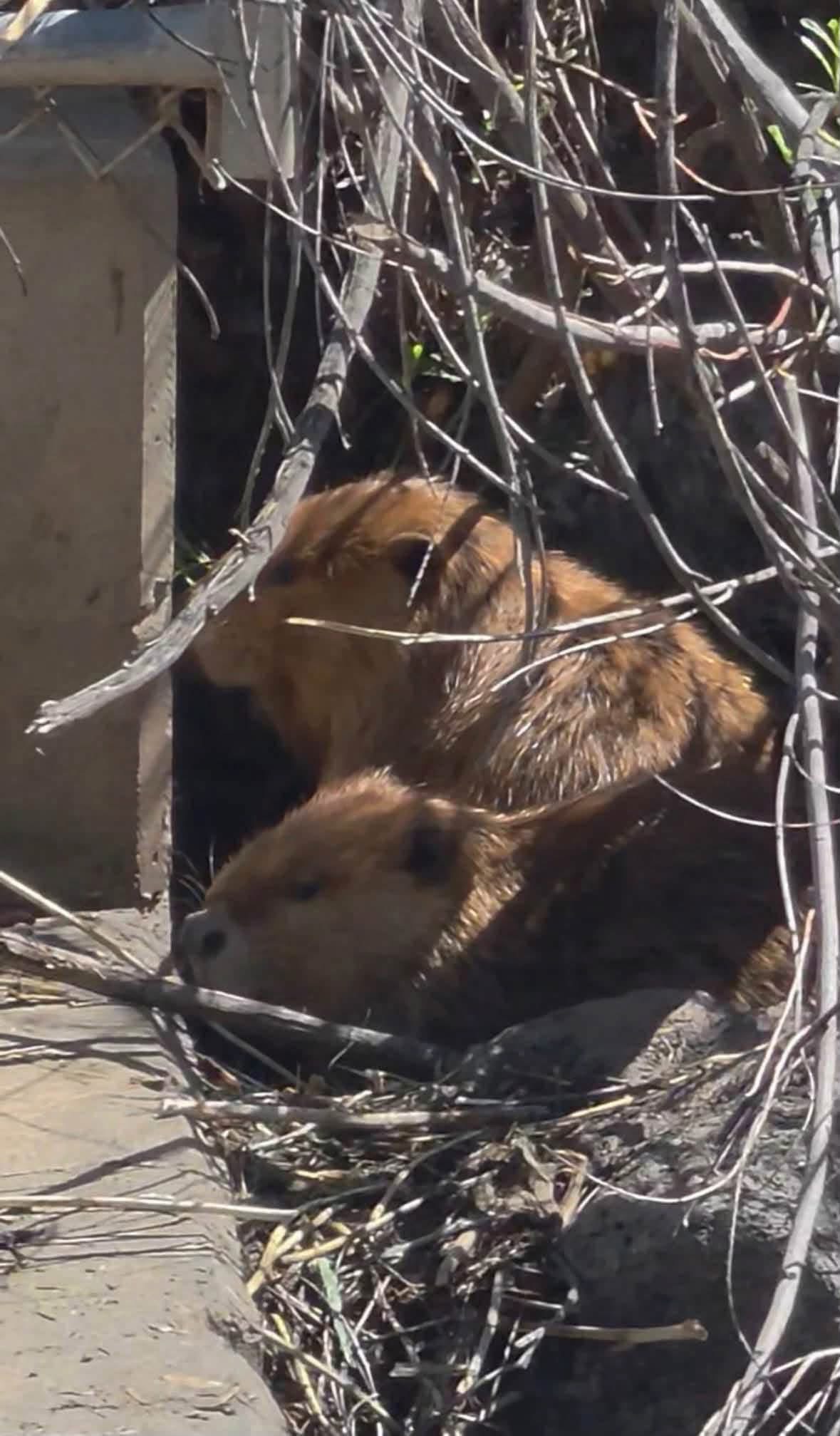
The supplied photograph directly depicts one beaver, and witness material records direct observation of at least two beavers and one beaver den; Albuquerque Metropolitan Arroyo Flood Control Authority stated that it had not independently confirmed the beaver observation as of its August 26, 2026 public statement.

A supplied photograph depicts an animal appearing to be a deceased beaver beside a roadway. In a public Facebook post, Brittany Walters says Jenn Wilson photographed the animal near Paseo and Coors and identifies it as the same beaver the community had been trying to save based on matching tail notches; the identity and the cause, timing, and circumstances of death have not been independently verified.

Supplied text-message screenshots report more than 40 turtles identified in the account as snapping, western painted, red-eared slider, and spiny softshell turtles, plus one unidentified snake, many bullfrogs, and a possible alligator; the counts and species identifications require qualified official verification.

Historical federal scientific records document Rio Grande silvery minnows at a La Orilla Middle Rio Grande study location; that historical evidence does not establish that silvery minnows were present inside the specific Albuquerque Metropolitan Arroyo Flood Control Authority La Orilla Outlet Water Quality Structure during the August 2026 operation.

Albuquerque Metropolitan Arroyo Flood Control Authority stated that water was pumped downstream along the structure’s normal drainage path toward the Rio Grande and that water-quality samples were collected; laboratory results were pending at the time of its August 26, 2026 statement.

Albuquerque Metropolitan Arroyo Flood Control Authority stated that permanent drainage modifications were under consideration.

The reviewed public record does not establish the full permit history, precise regulatory jurisdiction, specific discharge authorization, detailed laboratory results, all relocation destinations, complete injury or mortality records, or final permanent-design effects.

WHAT THE CURRENT RECORD DOES AND DOES NOT SHOW

Photographic and video evidence supplied by local observers shows a water-filled drainage or retention feature directly east of Sagebrush Church–Riverside Campus at 6440 Coors Boulevard Northwest, Albuquerque, New Mexico 87120. Supplied images dated August 25–26, 2026 depict standing water, aquatic vegetation, accumulated floating garbage, turtles, heavy equipment, fresh soil near the channel, and substantial soil or fill being placed at or into the aquatic area. One supplied photograph directly depicts one beaver. These images justify inspection but do not alone establish that material entered jurisdictional water, the amount or composition of fill, the drainage or receiving-water path, a permit violation, injury, mortality, or a federal nexus.

Separate witness material records direct observation of at least two beavers and one den. Local observers separately report turtles, frogs, birds, fish, and other aquatic wildlife. The presence, number, species, and legal status of each animal should be independently verified by qualified wildlife personnel.

Local reports identify the feature with the La Orilla/Piedras Marcadas drainage system. The responsible agencies should identify the remaining drainage, receiving-water, permit, and jurisdictional facts in writing.

Reports further state that water was pumped or drained and that filling was undertaken in response to complaints about trash and mosquitoes. The destination of the pumped water, the authority for the filling, and the existence of environmental or wildlife review have not yet been established.

Reported by news organizations: KOAT describes a decontamination effort and reports that the Albuquerque Metropolitan Arroyo Flood Control Authority was pumping the basin dry. KRQE News 13 and the Albuquerque Journal describe wildlife concerns, turtles, frogs or toads, tadpoles, a beaver, a pause or delay, searches or relocation efforts, and uncertainty about animal destinations. A separate account shared with this project says crews described mosquito control and says dirt was placed over live animals as well as trash. Those statements require verification from witnesses, work orders, original media, field records, and the responsible entities.

Still requiring official determination: operator, contractor, and authorizing officials; work purpose and scope; property and easement boundaries; prior serviceable condition; federal, state, tribal, county, city, or flood-control jurisdiction; waters-of-the-United-States status; drainage and Middle Rio Grande connection; source, quantity, and placement of material; discharge and pumped-water destination; permits, exemptions, and approvals; federal funding or action; species identities and legal status; animal counts, condition, injuries, deaths, handlers, transport, destinations, and release monitoring; or whether any cited violation occurred.

II. IMMEDIATE LEGAL AND REGULATORY ISSUES

The following are investigation questions, not conclusions. Each authority applies only if its jurisdictional and factual elements are established. The controlling official text—not this summary—governs.

WATER, FILL, AND DRAINAGE

1. Discharge of fill without authorization — Clean Water Act §301
Potential violation only if the investigation establishes an addition of soil, rock, sand, sediment, or another pollutant from a point source to waters of the United States without authorization. Law: Clean Water Act §301(a), 33 U.S.C. §1311(a). The photographs show material beside or near the channel; jurisdiction and the discharge path remain unverified.
Legal basis and limits:
Review Clean Water Act §301(a), 33 U.S.C. §1311(a): except as authorized by the Act, the discharge of any pollutant by any person is unlawful. The investigation should determine whether soil, rock, sediment, trash, or other material was a pollutant; whether equipment or another discernible conveyance was a point source; whether the receiving area is a water of the United States; and whether a valid permit or other authorization covered the discharge.

Records and factual questions:
Determine the exact material placed, volume, dates, equipment, discharge path, receiving water, ownership, contractor, permit number, and whether the work caused or may cause a measurable addition of pollutants or a change in water quality.

Requested agency determination or action:
Inspect before further filling or dewatering; identify any §301/§402/§404 authorization; preserve samples and photographs; require lawful controls; and pursue removal, restoration, mitigation, or enforcement if the elements are established.

Controlling sources:
1. 33 U.S.C. §1311 — complete statutory text
https://uscode.house.gov/view.xhtml?req=granuleid:USC-prelim-title33-section1311&num=0&edition=prelim

2. Unauthorized placement of dredged or fill material — Clean Water Act §404
Potential violation only if dredged or fill material was discharged into a jurisdictional water and no required individual, general, nationwide, or other §404 authorization covered the work. Law: Clean Water Act §404(a), 33 U.S.C. §1344(a). Jurisdiction, placement, material, and permit status require official findings.
Legal basis and limits:
Review Clean Water Act §404(a), 33 U.S.C. §1344(a): discharge of dredged or fill material into navigable waters is administered through permits issued by the Secretary or the authorized state program. The investigation must establish jurisdiction, the definition and quantity of fill, whether the work changed bottom elevation or aquatic functions, and whether an individual, general, nationwide, or other §404 authorization existed and covered this location and method.

Records and factual questions:
Obtain the jurisdictional determination, delineation, plans, fill source, tonnage, work dates, permit application or verification, exemption claim, compensatory-mitigation analysis, and photographs of the channel before and after work.

Requested agency determination or action:
Confirm whether the Corps or another permitting authority has jurisdiction; pause additional discharge where authorized; require compliance with permit conditions; and order appropriate restoration or mitigation if unauthorized fill is confirmed.

Controlling sources:
1. 33 U.S.C. §1344 — complete statutory text
https://uscode.house.gov/view.xhtml?req=granuleid:USC-prelim-title33-section1344&num=0&edition=prelim
2. 40 C.F.R. Part 232, including §232.2 — current definitions for dredged and fill material
https://www.ecfr.gov/current/title-40/chapter-I/subchapter-H/part-232

3. Review of the drainage-maintenance exemption — Clean Water Act §404(f)
Potential review issue only if jurisdiction, the claimed maintenance purpose, prior serviceable condition, and recapture elements are established. Determine whether the work was maintenance, construction, habitat conversion, or a new use, and whether §404(f)(2) recapture applies. Laws: 33 U.S.C. §1344(f)(1)–(2).
Legal basis and limits:
Review 33 U.S.C. §1344(f)(1)–(2). The maintenance exemption is limited and does not automatically cover construction, conversion, habitat elimination, or a new use. The recapture provision applies when an activity has the purpose of bringing an area into a use to which it was not previously subject and impairs or reduces the flow or circulation of navigable waters or reduces the reach of those waters.

Records and factual questions:
Identify the structure allegedly maintained, its prior serviceable condition, the approved maintenance plan, the amount and placement of fill, the resulting flow and storage changes, and whether the purpose was maintenance or conversion of the drainage area.

Requested agency determination or action:
Require the proponent to identify the precise exemption and factual basis; determine whether §1344(f)(2) recaptures the activity; and require a permit, restoration, or mitigation if the exemption does not apply.

Controlling sources:
1. 33 U.S.C. §1344, including §404(f) — complete statutory text
https://uscode.house.gov/view.xhtml?req=granuleid:USC-prelim-title33-section1344&num=0&edition=prelim

4. Section 404 permit-review criteria for aquatic impacts — Clean Water Act §404(b)(1)
Potential permit-review issue: if a Section 404 permit is required, the permitting authority must evaluate less damaging alternatives, mitigation, and restoration under 40 C.F.R. Part 230. The Guidelines do not independently establish a violation by a private party.
Legal basis and limits:
Review the §404(b)(1) Guidelines in 40 C.F.R. Part 230 if §404 authorization is required or being evaluated. The Guidelines direct the permitting authority to consider significant degradation, practicable less-damaging alternatives, avoidance, minimization, and compensation for unavoidable impacts. They are permit-review standards, not an independent private-party offense. The analysis should address aquatic functions, special aquatic sites, cumulative and secondary effects, sediment, wildlife, and less damaging alternatives.

Records and factual questions:
Request the alternatives analysis, project-purpose statement, aquatic-resource delineation, impact calculation, avoidance and minimization record, mitigation plan, and any determination that the channel was not a special aquatic site or valuable wildlife habitat.

Requested agency determination or action:
Require a complete §404(b)(1) review before authorizing more work; protect remaining water and habitat; and require mitigation, restoration, or permit enforcement for avoidable or unauthorized impacts.

Controlling sources:
1. 40 C.F.R. Part 230 — complete electronic Code of Federal Regulations text
https://www.ecfr.gov/current/title-40/chapter-I/subchapter-J/part-230

5. Unpermitted stormwater, dewatering, or runoff discharge — Clean Water Act §402
Potential violation only if pumped water, sediment, runoff, or material mobilized by the work was discharged from a point source to jurisdictional water without required National Pollutant Discharge Elimination System coverage or compliance. Law: Clean Water Act §402, 33 U.S.C. §1342. Pre-existing trash or algae should not be attributed to crews without evidence.
Legal basis and limits:
Review Clean Water Act §402, 33 U.S.C. §1342, which governs National Pollutant Discharge Elimination System permits. Determine the operator, point source, receiving water, discharge path, applicable permit program, and whether pumped or turbid water, sediment, construction runoff, fuel, concrete washout, or material mobilized by the work was discharged to a jurisdictional water without required coverage or compliance. Do not attribute pre-existing trash or algae to the crews without evidence that the work discharged or mobilized it.

Records and factual questions:
Identify every discharge point, pump, hose, ditch connection, receiving water, discharge date and duration, sampling result, National Pollutant Discharge Elimination System permit or notice of intent, and stormwater or dewatering control used at the site.

Requested agency determination or action:
Inspect and sample promptly; determine whether permit coverage was required; require immediate pollution controls and lawful dewatering; and take corrective or enforcement action for unpermitted discharges.

Controlling sources:
1. 33 U.S.C. §1342 — complete statutory text
https://uscode.house.gov/view.xhtml?req=granuleid:USC-prelim-title33-section1342&num=0&edition=prelim

6. Construction-stormwater and dewatering review — Clean Water Act §402
Potential violation only if applicable disturbance and discharge thresholds are met and the operator lacked required coverage or failed applicable controls. Construction-stormwater requirements generally depend on whether the activity disturbs one acre or more or forms part of a larger common plan meeting the threshold; excavation alone does not automatically require coverage. Authorities: Clean Water Act §402, 33 U.S.C. §1342, and the Environmental Protection Agency 2022 Construction General Permit.
Legal basis and limits:
Review Clean Water Act §402 and the National Pollutant Discharge Elimination System requirements in the Environmental Protection Agency 2022 Construction General Permit only after determining the disturbed-acre and common-plan thresholds, operator, discharge, location, permit version, and eligibility that apply. If coverage was required, review the notice of intent, site-specific Stormwater Pollution Prevention Plan, erosion and sediment controls, permit-required inspections and corrective actions, stabilization, pollution prevention, and New Mexico construction-dewatering requirements.

Records and factual questions:
Request the disturbed-acre calculation, common-plan analysis, permit number and effective version, notice of intent, SWPPP, site maps, all inspections required by the applicable permit, dewatering authorization, analytical data, corrective-action logs, contractor certifications, stabilization records, and evidence that disturbed soil and fill were controlled.

Requested agency determination or action:
Determine whether coverage was required and valid; inspect controls before more work; require stabilization, sediment containment, lawful dewatering, and monitoring; and refer violations for permit enforcement.

Controlling sources:
1. 33 U.S.C. §1342 — complete statutory text
https://uscode.house.gov/view.xhtml?req=granuleid:USC-prelim-title33-section1342&num=0&edition=prelim
2. Environmental Protection Agency 2022 Construction General Permit
https://www.epa.gov/npdes/2022-construction-general-permit-cgp

7. Unlawful water-quality or discharge impacts — New Mexico Water Quality Act
Potential violation only if state jurisdiction and standards apply and the work caused or may cause water pollution or a discharge requiring authorization or compliance. Authorities: New Mexico Water Quality Act, NMSA 1978 §§74-6-1 through 74-6-17; 20.6.2 NMAC for ground-water and discharge controls; and 20.6.4 NMAC for applicable surface-water standards and antidegradation.
Legal basis and limits:
Review the New Mexico Water Quality Act, NMSA 1978 §§74-6-1 through 74-6-17, the ground-water and discharge-control provisions in 20.6.2 NMAC, and applicable surface-water standards and antidegradation provisions in 20.6.4 NMAC. Determine whether state jurisdiction and standards apply, whether the work caused or may cause water pollution or a discharge requiring state authorization, and which state or federal program governs each discharge, stormwater, dewatering, surface-water, or ground-water question.

Records and factual questions:
Request baseline and post-work samples for turbidity, sediment, nutrients, bacteria, algae, fuel, concrete-related pollutants, and other site-specific contaminants; the discharge path and receiving-water analysis; permits; notices; inspection reports; complaints; and corrective-action records.

Requested agency determination or action:
Inspect and sample immediately; prevent additional polluted discharge; determine permit and standard compliance; coordinate with the Environmental Protection Agency and water-management agencies; and require cleanup, restoration, monitoring, or enforcement.

Controlling sources:
1. New Mexico Water Quality Act, Chapter 74, Article 6 — official complete statutory text
https://www.nmonesource.com/nmos/nmsa/en/item/4415/index.do
2. 20.6.2 NMAC — current official ground-water and discharge-control rule
https://www.srca.nm.gov/parts/title20/20.006.0002.html
3. 20.6.4 NMAC — current official surface-water-quality standards
https://www.srca.nm.gov/parts/title20/20.006.0004.html

WILDLIFE, RELOCATION, AND ANIMAL WELFARE

8. Request for listed-species take review — Endangered Species Act §9
Potential violation: injuring, killing, capturing, or otherwise taking a federally listed species, if one is present and the legal elements are established. Law: 16 U.S.C. §1538. A beaver’s presence alone does not establish an Endangered Species Act violation.
Legal basis and limits:
Review Endangered Species Act §9, 16 U.S.C. §1538, 50 C.F.R. Part 17, and the listing and species-specific rules in force for any identified animal. Establish first whether a listed species was present or affected, then whether the conduct constituted prohibited take under the applicable definition, listing rule, §4(d) rule, permit, or exception. A beaver’s presence alone does not establish an Endangered Species Act violation.

Records and factual questions:
Conduct a species- and individual-level inventory of fish, birds, reptiles, amphibians, eggs, young, and other organisms; document injury, death, displacement, capture, handling, and habitat effects; and identify permits, biological opinions, and reasonable-and-prudent measures.

Requested agency determination or action:
Refer possible take to the United States Fish and Wildlife Service, protect remaining animals and habitat, preserve specimens and evidence, and determine whether authorization, rescue, or enforcement is required.

Controlling sources:
1. 16 U.S.C. §1538 — complete statutory text
https://uscode.house.gov/view.xhtml?req=granuleid:USC-prelim-title16-section1538&num=0&edition=prelim
2. 50 C.F.R. Part 17 — current listed-species and take regulations
https://www.ecfr.gov/current/title-50/chapter-I/subchapter-B/part-17

9. Migratory bird disturbance — Migratory Bird Treaty Act
Potential violation only if protected migratory birds, nests, eggs, or dependent young were present and specific conduct constituted prohibited take under the current statute and regulations. Law: Migratory Bird Treaty Act, 16 U.S.C. §703 and following sections Habitat disturbance alone is not automatically a violation.
Legal basis and limits:
Review the Migratory Bird Treaty Act, 16 U.S.C. §703, and current implementing regulations. Determine which protected migratory birds, nests, eggs, or dependent young were present; whether vegetation removal, burial, machinery, flooding, draining, or other conduct caused a prohibited take under the applicable law; and whether a specific permit, regulation, or enforcement policy applies. Do not assume that every habitat disturbance is automatically a criminal violation.

Records and factual questions:
Request a qualified bird and nest survey covering the work footprint and adjacent vegetation, the work dates and machinery path, photographs, species identification, nest and egg observations, and any federal authorization or seasonal avoidance measures.

Requested agency determination or action:
Refer the report to the United States Fish and Wildlife Service; avoid vegetation removal and disturbance while birds, nests, eggs, or young may be present; and preserve evidence for a species-specific determination.

Controlling sources:
1. 16 U.S.C. §703 — complete statutory text
https://uscode.house.gov/view.xhtml?req=granuleid:USC-prelim-title16-section703&num=0&edition=prelim
2. 50 C.F.R. Part 10 — current regulations and protected-bird list
https://www.ecfr.gov/current/title-50/chapter-I/subchapter-B/part-10

10. Purposeful animal crushing — Preventing Animal Cruelty and Torture Act (PACT Act)
Potential violation: a person purposely crushed, burned, drowned, suffocated, impaled, or otherwise subjected one or more living non-human mammals, birds, reptiles, or amphibians to serious bodily injury, only if an investigation also establishes the federal jurisdiction required by the statute: conduct in or affecting interstate or foreign commerce, or within the special maritime and territorial jurisdiction of the United States. Law: 18 U.S.C. §48, the Preventing Animal Cruelty and Torture Act (PACT Act), enacted as Public Law 116-72 in 2019. The statute excludes listed conduct such as customary veterinary, agricultural, research, euthanasia, hunting, trapping, fishing, sporting, predator-control, and pest-control practices, as well as unintentional conduct. The reported presence or disappearance of animals alone does not establish purposeful crushing, serious bodily injury, or this federal crime.
Legal basis and limits:
Review 18 U.S.C. §48, the 2019 Preventing Animal Cruelty and Torture Act. The investigation must establish purposeful conduct that crushed, burned, drowned, suffocated, impaled, or otherwise subjected a living non-human mammal, bird, reptile, or amphibian to serious bodily injury, plus the statute’s federal-jurisdiction element: conduct in or affecting interstate or foreign commerce or within the special maritime and territorial jurisdiction of the United States. The statute contains exceptions for listed veterinary, agricultural, scientific, hunting, trapping, fishing, sporting, predator-control, pest-control, euthanasia, and unintentional conduct; reported animal presence or disappearance alone proves none of these elements.

Records and factual questions:
Preserve original photographs and video, metadata, witness accounts, equipment movements, work orders, animal condition and mortality records, necropsy or veterinary evidence, handler identities, and any facts bearing on purposeful conduct, serious bodily injury, federal commerce, and statutory exceptions.

Requested agency determination or action:
Refer any direct evidence of purposeful animal crushing or serious injury to the appropriate federal and state investigators while separately protecting animals at the site or already moved and investigating water, habitat, wildlife, and state-law issues.

Controlling sources:
1. 18 U.S.C. §48 — complete statutory text
https://uscode.house.gov/view.xhtml?req=granuleid:USC-prelim-title18-section48&num=0&edition=prelim
2. Public Law 116-72 — 2019 Preventing Animal Cruelty and Torture Act
https://www.congress.gov/116/plaws/publ72/PLAW-116publ72.pdf

11. Unauthorized take of beaver or other furbearers — 19.32.2 NMAC
Potential violation only if a regulated furbearer was captured, trapped, killed, removed, transported, possessed, or released without required season, license, permit, depredation, rescue, or live-transfer authority. Authorities: 19.32.2 NMAC and, where applicable, NMSA 1978 §17-3-31. Habitat effects alone do not establish every element.
Legal basis and limits:
Review 19.32.2 NMAC, NMSA 1978 §17-3-31 for live transfer where applicable, and the New Mexico Department of Game and Fish’s current furbearer and permit requirements. The notice identifies an ordinary statewide beaver season of April 1–30 and November 1–March 31, placing the reported August work outside that ordinary season; separate governmental wildlife-control authority, depredation authority, rescue authority, permits, or exceptions may still govern and must be verified. Determine whether a beaver or other regulated furbearer was captured, trapped, killed, removed, transported, possessed, or released; who acted; and whether a season, license, permit, depredation authorization, rescue authority, or exception applied. Effects to a den, lodge, dam, young, or habitat are urgent facts to investigate but do not by themselves establish every element of a furbearer offense.

Records and factual questions:
Request the permit or authority, species and individual count, capture method, handlers, transport route, condition, current location, release-site approval, wildlife-officer or biologist involvement, and disease and invasive-species review.

Requested agency determination or action:
Send a qualified wildlife officer or biologist; conduct a species survey and account, to the extent practicable, for animals observed, handled, relocated, injured, or killed; stop unauthorized capture or transport; and require humane, permitted handling and a documented release or rehabilitation plan.

Controlling sources:
1. 19.32.2 NMAC — current official rule text
https://www.srca.nm.gov/parts/title19/19.032.0002.html
2. NMSA 1978 §17-3-31 — official Chapter 17 statutory source
https://www.nmonesource.com/nmos/nmsa/en/item/4341/index.do

12. Unauthorized take of native amphibians or reptiles — 19.35.10 NMAC
Potential violation only if an identified native amphibian or reptile is covered and regulated take, collection, possession, transport, or rehabilitation occurred without applicable authority. Law: 19.35.10 NMAC. The rule is not a blanket prohibition on every incidental habitat effect.
Legal basis and limits:
Review 19.35.10 NMAC and all species-specific New Mexico requirements governing native amphibians and reptiles. Identify each turtle, frog, snake, or other affected animal to species; determine its classification, limits, and any take, collection, possession, transport, rehabilitation, method, license, permit, or rescue provision. The rule is not a blanket prohibition on every incidental habitat effect.

Records and factual questions:
Request a qualified survey of turtles, frogs, eggs, nests, young, and animals remaining in water, sediment, banks, vegetation, and fill; document handling, injury, mortality, release, and destination; and obtain every permit and chain-of-custody record.

Requested agency determination or action:
Require species-appropriate rescue and relocation by qualified personnel, protection of animals that remain, and enforcement or restoration where unauthorized take or habitat destruction is established.

Controlling sources:
1. 19.35.10 NMAC — complete rule text from the New Mexico State Records Center and Archives
https://www.srca.nm.gov/parts/title19/19.035.0010.html

13. State-protected wildlife harm — New Mexico Wildlife Conservation Act
Potential violation only if a species on New Mexico’s current threatened or endangered list was present and conduct constituted prohibited take or other statutory harm without authorization. Laws: New Mexico Wildlife Conservation Act, NMSA 1978 §§17-2-37 through 17-2-46, and implementing rules. Habitat effects alone do not establish take.
Legal basis and limits:
Review NMSA 1978 §§17-2-37 through 17-2-46, the current state threatened- and endangered-wildlife list, and implementing rules and permit provisions. Determine whether a state-listed species was present, whether conduct constituted the prohibited take or other statutory harm defined by current law, and whether state authorization applied. Habitat effects alone do not establish a statutory take without the required species and conduct findings.

Records and factual questions:
Obtain species surveys, state-list status, habitat and nest records, permits, officer reports, photographs, carcass or injury evidence, and the identity of every person who handled, moved, harmed, or authorized work affecting wildlife.

Requested agency determination or action:
Refer the matter to New Mexico Department of Game and Fish conservation officers; protect listed wildlife and habitat; and require permits, humane response, restoration, or enforcement as the facts warrant.

Controlling sources:
1. New Mexico Statutes Chapter 17, Article 2 — complete statutory source
https://www.nmonesource.com/nmos/nmsa/en/item/4341/index.do

FEDERAL ENVIRONMENTAL AND PROJECT REVIEW

14. Request for federal species-consultation review — Endangered Species Act §7
Potential violation: if a federal agency authorized, funded, or carried out the work and it may affect a listed species or critical habitat, required consultation may have been skipped. Law: 16 U.S.C. §1536.
Legal basis and limits:
Review Endangered Species Act §7, 16 U.S.C. §1536. If a federal agency authorized, funded, or carried out the action, it must use its authorities to conserve listed species and must consult when the action may affect a listed species or designated critical habitat. The inquiry is procedural and agency-specific; it requires identifying the federal action, listed species, critical habitat, effects, and consultation or biological-opinion record.

Records and factual questions:
Identify federal funding, permits, approvals, land or project ownership, listed species and critical habitat in the action area, effects to water quality and hydrology, and every informal-consultation, formal-consultation, concurrence, biological-opinion, and incidental-take record.

Requested agency determination or action:
Refer the matter to the responsible federal action agency and the United States Fish and Wildlife Service; prevent irreversible work where authorized; and complete the required consultation before continuing an action that may affect listed species or critical habitat.

Controlling sources:
1. 16 U.S.C. §1536 — complete statutory text
https://uscode.house.gov/view.xhtml?req=granuleid:USC-prelim-title16-section1536&num=0&edition=prelim
2. United States Fish and Wildlife Service: Southwestern Willow Flycatcher final listing rule
https://www.fws.gov/sites/default/files/federal_register_document/95-4531.pdf

15. Rio Grande silvery minnow and critical-habitat impacts — Endangered Species Act §7
Potential federal review issue: agencies should determine whether the site has a hydrologic or discharge relationship to the Middle Rio Grande and whether federal action could affect the endangered Rio Grande silvery minnow or its designated critical habitat. Law: 16 U.S.C. §1536; critical-habitat designation at 68 Fed. Reg. 8088 (Feb. 19, 2003).
Legal basis and limits:
Review Endangered Species Act §7, 16 U.S.C. §1536, together with the Rio Grande silvery minnow critical-habitat designation at 68 Fed. Reg. 8088 (February 19, 2003). The agencies should determine whether the La Orilla drainage has a hydrologic, discharge, groundwater, sediment, or watershed connection to the Middle Rio Grande and whether any federal action may affect the species or its critical habitat.

Records and factual questions:
Map the drainage and receiving waters; test for downstream transport of sediment, pollutants, or altered flows; identify federal permits and funding; determine whether designated habitat is within the action area; and obtain the species-effects and consultation record.

Requested agency determination or action:
Request immediate coordination among the action agency, the Service, water-quality authorities, and watershed managers; protect hydrologic connectivity; and complete Endangered Species Act review before irreversible filling, draining, or discharge continues.

Controlling sources:
1. 16 U.S.C. §1536 — complete statutory text
https://uscode.house.gov/view.xhtml?req=granuleid:USC-prelim-title16-section1536&num=0&edition=prelim
2. Federal Register, 68 Fed. Reg. 8088 — complete rule notice
https://www.federalregister.gov/documents/2003/02/19/03-3255/endangered-and-threatened-wildlife-and-plants-designation-of-critical-habitat-for-the-rio-grande

16. Request for federal environmental-review determination — National Environmental Policy Act (National Environmental Policy Act (NEPA))
Potential review failure: if federal funding, a permit, or another federal action is involved, the responsible agency may have failed to complete the required environmental review. Law: 42 U.S.C. §4321 and following sections
Legal basis and limits:
Review the National Environmental Policy Act, 42 U.S.C. §4321 and following sections, as a procedural federal-agency requirement rather than a stand-alone private-party pollution offense. If a qualifying major federal action, permit, funding, land, project, or retained federal control exists, identify the responsible agency and the agency procedures then in force; review effects, alternatives, connected actions, public involvement, mitigation, and any categorical exclusion, environmental assessment, finding of no significant impact, or environmental impact statement.

Records and factual questions:
Request the federal nexus, agency records, categorical-exclusion analysis, environmental assessment, public notices, alternatives analysis, mitigation commitments, and any review of wildlife, water quality, hydrology, cultural resources, and connected Rio Grande effects.

Requested agency determination or action:
Identify the lead federal agency and request completion of the required National Environmental Policy Act (National Environmental Policy Act (NEPA)) process before the agency authorizes or funds additional irreversible work.

Controlling sources:
1. 42 U.S.C. Chapter 55 — complete National Environmental Policy Act text
https://uscode.house.gov/view.xhtml?path=/prelim@title42/chapter55&edition=prelim

17. Unauthorized alteration of a Corps project — 33 U.S.C. §408
Potential violation only if the affected feature is part of a federally authorized United States Army Corps of Engineers civil-works project and the alteration, occupation, or use was one requiring permission, including because it could injure the project or impair its usefulness. Law: 33 U.S.C. §408.
Legal basis and limits:
Review 33 U.S.C. §408. If the channel, levee, drain, flood-control work, or connected facility is part of a federally authorized civil-works project, alteration, occupation, or use that injures the project or impairs its usefulness may require permission from the Secretary. The Corps must first identify whether a covered project exists and whether the work altered project function, safety, operation, maintenance, or authorized water management.

Records and factual questions:
Identify the project authorization, as-built plans, easements, owner and operator, work order, permission application, engineering review, changes to capacity or flow, and any risk to flood-control, drainage, or public safety functions.

Requested agency determination or action:
Confirm whether §408 applies; require an engineering and safety review before more alteration; and take corrective, restoration, or enforcement action if work occurred without the required permission.

Controlling sources:
1. 33 U.S.C. §408 — complete statutory text
https://uscode.house.gov/view.xhtml?req=granuleid:USC-prelim-title33-section408&num=0&edition=prelim
2. United States Army Corps of Engineers: Section 408 program
https://www.usace.army.mil/Missions/Civil-Works/Section408/

18. Failure to complete historic-preservation review — NHPA §106
Potential review failure: if the work is a federal undertaking, required review of historic properties, archaeological resources, or tribal interests may have been skipped. Law: 54 U.S.C. §306108.
Legal basis and limits:
Review National Historic Preservation Act §106, 54 U.S.C. §306108. If a federal undertaking exists, the responsible federal agency must take into account the effect of the undertaking on historic properties and follow the §106 process, including identification, consultation, assessment of adverse effects, and resolution. This is an agency-review issue and requires a federal nexus; it is not automatically a violation by a private landowner.

Records and factual questions:
Identify federal permits, funding, land, approvals, and the responsible federal agency; define the area of potential effects; determine whether listed or eligible historic properties may be affected; consult the State Historic Preservation Officer and affected tribes where required; survey archaeological resources; and preserve records concerning the drainage, cultural landscape, and tribal interests.

Requested agency determination or action:
Refer the matter to the federal agency with the nexus and request completion of §106 review before ground-disturbing work continues.

Controlling sources:
1. 54 U.S.C. §306108 — complete statutory text
https://uscode.house.gov/view.xhtml?req=granuleid:USC-prelim-title54-section306108&num=0&edition=prelim
2. 36 C.F.R. Part 800 — current Section 106 process
https://www.ecfr.gov/current/title-36/chapter-VIII/part-800

III. CONSERVATION AND PUBLIC-INFRASTRUCTURE SIGNIFICANCE

Albuquerque is an arid environment in which persistent aquatic and riparian habitat is comparatively scarce. An engineered drainage or retention facility can serve flood-control and ecological functions at the same time. The supplied photograph of one beaver, witness material recording at least two beavers and one den, agency-reported turtle and bullfrog handling, and other qualified wildlife reports are relevant to responsible maintenance. The visible floating garbage should be addressed directly. Where feasible and consistent with flood safety, agencies should evaluate trash removal, targeted vegetation and sediment management, wildlife-protective sequencing, beaver-coexistence measures, and less-damaging engineering alternatives. Flood-control obligations and wildlife conservation are not inherently incompatible.

IV. REQUIRED FACTUAL DETERMINATIONS BEFORE FURTHER IRREVERSIBLE WORK

FIFTEEN THRESHOLD QUESTIONS THAT REQUIRE A WRITTEN ANSWER (15)

1. Who owns, operates, maintains, and controls the site, drainage feature, easements, and connected infrastructure, and who ordered, funded, supervised, and performed the August 2026 work?
2. What was the stated project purpose—trash removal, mosquito or contamination control, maintenance, flood capacity, construction, habitat conversion, or something else—and what written scope, plans, engineering analysis, and long-term maintenance plan support it?
3. What material was placed, where did it originate, how much was used, where and when was it deposited, and did it enter water, wetlands, the channel bed, banks, or a connected conveyance?
4. What are the site’s hydrology, ordinary and extreme flow paths, receiving waters, groundwater relationship, and connections to the Middle Rio Grande, and has a current aquatic-resource delineation or jurisdictional determination been completed?
5. What federal, state, local, flood-control, stormwater, discharge, fill, wildlife, land-use, or construction permits, verifications, notices, approvals, or exemptions were required, obtained, denied, or claimed?
6. If maintenance was claimed, what feature and prior serviceable condition were being maintained, what exact statutory or permit exemption was invoked, and did the work change use, flow, circulation, reach, storage, or aquatic function?
7. Where was pumped or dewatering water sent; what pumps, hoses, outfalls, or conveyances were used; what quantity and duration were involved; and what screening, sediment controls, sampling, monitoring, and lawful discharge authorization applied?
8. What baseline and post-work sampling exists for turbidity, sediment, nutrients, bacteria, algae, fuel, concrete-related pollutants, and other site-specific contaminants?
9. What less damaging trash, mosquito, vegetation, sediment, maintenance, or flood-control alternatives were considered, and what avoidance, minimization, mitigation, restoration, and monitoring commitments were selected?
10. Was there a federal permit, funding source, civil-works project, land interest, retained control, or other federal undertaking or action; if so, which agency was responsible and what Endangered Species Act, National Environmental Policy Act, Section 408, and historic-preservation records exist?
11. Which animals and plants were present, to species where practicable; which were observed, handled, captured, moved, injured, killed, stranded, entrained, buried, or otherwise affected; and what nests, eggs, dens, lodges, dams, young, carcasses, or biological evidence were found?
12. Who conducted each wildlife survey, rescue, capture, transport, rehabilitation, or release; under what qualifications, license, permit, or emergency authority; with what chain of custody, destination approval, veterinary assessment, disease and invasive-species review, and follow-up monitoring?
13. If Tingley Beach or another city location was considered or used, who selected and approved it, what receiving-site and welfare evaluation was performed, and what written City, BioPark, and New Mexico Department of Game and Fish authority exists?
14. Did directly observed evidence show purposeful crushing or another form of serious bodily injury under 18 United States Code §48; who was responsible; what federal jurisdiction and statutory exception analysis was performed; and what evidence supports each element?
15. What immediate and final corrective measures will restore lawful drainage, water quality, habitat, and wildlife protection while preserving necessary public-safety and flood-control functions?

V. REQUEST FOR IMMEDIATE ADMINISTRATIVE ACTION

TWELVE REQUESTED IMMEDIATE AND CORRECTIVE ACTIONS (12)

Please act only within each office’s authority and promptly coordinate or refer the remaining requests:

1. Acknowledge this complaint, assign a tracking number and lead coordinating office, identify every referral, and provide a named contact for the next update.
2. Conduct and document an on-site inspection before further irreversible work, with appropriate water-quality, engineering, aquatic-resource, and wildlife personnel.
3. Maintain or issue a stop-work directive, to the extent legally authorized, against additional filling, grading, bulldozing, vegetation removal, pumping, dewatering, material disposal, and animal capture or relocation until the threshold jurisdictional, permit, and wildlife questions are resolved.
4. Stabilize disturbed soil, contain sediment and pollutants, use lawful and wildlife-protective dewatering, maintain necessary public-safety controls, and remove trash through a method that does not unnecessarily destroy aquatic or riparian habitat.
5. Conduct a qualified species and habitat survey and account, to the extent practicable, for animals observed, handled, relocated, injured, or killed, including animals in water, sediment, banks, vegetation, fill, nests, dens, lodges, and downstream receiving areas.
6. Ensure any rescue, handling, transport, rehabilitation, or release is performed by qualified personnel under applicable authority, with documented welfare assessment, chain of custody, approved destination, disease and invasive-species safeguards, and post-release monitoring.
7. Inspect and sample water, sediment, fill, discharge points, and receiving waters promptly enough to preserve representative conditions and publish the methods, locations, dates, and results.
8. Determine every applicable permit, exemption, consultation, review, and approval before authorizing more work; publish the permit numbers, decision documents, conditions, and responsible agencies.
9. Evaluate less damaging alternatives and a long-term maintenance plan that protects flood capacity and public health while preserving or restoring aquatic and riparian functions where practicable.
10. If unauthorized fill, discharge, take, handling, project alteration, or procedural failure is established, require the responsible corrective action, which may include removal, cleanup, restoration, mitigation, monitoring, permit compliance, or enforcement within the deciding agency’s authority.
11. Preserve physical and electronic evidence and prevent destruction, alteration, or loss of original media, biological evidence, samples, project records, and communications.
12. Provide a coordinated written response addressing each threshold question, the findings and evidentiary basis, responsible parties, completed and planned protective measures, enforcement or corrective action, remaining uncertainty, and the schedule for public updates.

VI. EVIDENCE-PRESERVATION AND PUBLIC-RECORDS REQUEST

RECORDS AND EVIDENCE PRESERVATION

Preserve records from January 1, 2026 through the present, including native electronic files and available metadata. The request covers engineering and hydrology analyses; ownership, easement, and as-built records; contracts, bids, invoices, work orders, schedules, and contractor instructions; permit applications, jurisdictional determinations, exemption claims, notices of intent, pollution-prevention plans, inspections, sampling, discharge and dewatering records; wildlife surveys, capture and relocation records, veterinary or mortality records, destination approvals, and chain of custody; alternatives, mitigation, restoration, and long-term maintenance analyses; photographs, drone imagery, video, geographic data, complaints, public statements, and internal, contractor, and interagency communications. Please suspend routine deletion, preserve originals, produce records electronically on a rolling basis, identify withheld categories and the legal basis, give advance notice before fees exceed $25, and forward this request to the proper custodian if your office does not hold a record.

Please specifically preserve historical evidence showing how long standing water, aquatic vegetation, beaver activity, and other wildlife habitat existed before the August 2026 operation.

VII. PRIMARY AGENCIES FOR SERVICE

PRINCIPAL DELIVERY AND COORDINATION PATHS

The contacts below are public delivery paths for the agencies most likely to hold regulatory, wildlife, water-quality, project, local-record, or coordination responsibilities. Their inclusion does not establish jurisdiction. Verify the current official contact before sending and use the issue-specific letters when contacting a recipient with a narrower role.

United States Army Corps of Engineers — Albuquerque Regulatory Office
General role: Primary enforcement or regulator
Email: SPA-RD-NM@usace.army.mil
Phone: 505-342-3280
Mailing address:
4101 Jefferson Plaza NE
Albuquerque, NM 87109-3435
Official web form: https://rrs.usace.army.mil/rrs/

United States Environmental Protection Agency, Region 6 — National Pollutant Discharge Elimination System Reporting
General role: Primary enforcement or regulator
Email: R6_NPDES_Reporting@epa.gov
Phone: 214-665-2200
Mailing address:
United States Environmental Protection Agency, Region 6
1201 Elm Street, Suite 500
Dallas, TX 75270-2102

United States Fish and Wildlife Service — New Mexico Ecological Services
General role: Primary enforcement or regulator
Email: nmesfo@fws.gov
Phone: 505-230-3837
Mailing address:
2105 Osuna Road NE
Albuquerque, NM 87113-1001

New Mexico Department of Game and Fish — Wildlife
General role: Primary enforcement or regulator
Email: ispa@dgf.nm.gov
Phone: 505-476-8000
Mailing address:
1 Wildlife Way
Santa Fe, NM 87507

New Mexico Environment Department — Surface Water Quality Bureau
General role: Primary enforcement or regulator
Phone: 505-827-0187
Mailing address:
P.O. Box 5469
Santa Fe, NM 87502-5469

Albuquerque Metropolitan Arroyo Flood Control Authority
General role: Records, coordination, and referral
Email: public@amafca.org
Phone: 505-884-2215
Mailing address:
2600 Prospect Avenue NE
Albuquerque, NM 87107

City of Albuquerque — 311 / Environmental Health
General role: Records, coordination, and referral
Phone: 311

Office of the Mayor — City of Albuquerque — Mayor Tim Keller
General role: Oversight or elected official
Phone: 505-768-3000
Official web form: https://www.cabq.gov/mayor/contact-us/email-the-mayor

Bernalillo County Public Works — Stormwater
General role: Records, coordination, and referral
Phone: 505-848-1503

Middle Rio Grande Conservancy District
General role: Records, coordination, and referral
Phone: 505-247-0234

Corps service note from the supplied notice: for new Regulatory Program requests, verify the current United States Army Corps of Engineers Regulatory Request System submission instructions before sending. The public Corps portal listed in this app remains the contact path to verify.

VIII. CONGRESSIONAL OVERSIGHT REQUEST

Copies may be provided to the offices of New Mexico’s United States Senators and the congressional representative for the affected Albuquerque district, with a request for urgent congressional inquiry to the Environmental Protection Agency, the United States Army Corps of Engineers, and the United States Fish and Wildlife Service concerning federal jurisdiction, permitting, federal funding or action, endangered-species implications, and whether destructive work should remain suspended during agency review.

Senator Martin Heinrich — New Mexico Office
General role: Oversight or elected official
Email: casework@heinrich.senate.gov
Phone: 505-346-6601

Senator Ben Ray Luján — New Mexico Office
General role: Oversight or elected official
Email: casework@lujan.senate.gov
Phone: 505-346-6601

Representative Melanie Stansbury — New Mexico District 1
General role: Oversight or elected official
Email: melanie.stansbury@mail.house.gov
Phone: 505-346-6781

IX. EVIDENCE TO ATTACH

1. Original photograph depicting one beaver, plus witness material recording at least two beavers and one den, with dates, location, and metadata preserved.
2. Photographs or video of turtles, frogs, the unidentified snake, or other wildlife, if available.
3. Photographs of standing water, aquatic vegetation, and accumulated floating garbage.
4. Photographs or video showing trucks or heavy equipment depositing soil or fill.
5. Location evidence identifying the water feature directly east of 6440 Coors Boulevard Northwest.
6. Dates and times of observed work and names or contact information of eyewitnesses willing to provide statements.
7. Before-work photographs, video, or historical imagery, if available.

SUPPORTING RECORD

ORIGINAL SOURCE
Facebook post documenting the reported conditions: https://www.facebook.com/100068501006128/posts/pfbid02duMr7XFMQ6pFVAXeDzamX9QgrrFpnfgyJapV1ioL3fddTNKUcvXybWNxtL3CVMANl/?mibextid=wwXIfr

Legal memorandum and exhibit guide: https://laorilla.org/La_Orilla_Legal_Complaint_2026-08-26_v1.pdf
Exhibits available with the memorandum: A, supplied photograph directly depicting one beaver, supplemented by witness material recording at least two beavers and one den; B, fresh soil and equipment near the channel; C, soil unloading beside the channel; D, floating debris; E, turtles in the channel; F, site entrance.

X. CONCLUSION AND REQUESTED DISPOSITION

REQUESTED DISPOSITION: Preserve the site and evidence; prevent avoidable wildlife harm; determine jurisdiction and permit status; identify all wildlife and receiving waters; investigate the August 2026 work; and require corrective action and habitat restoration where the law requires it.

LEGAL DISCLAIMER AND LIMITS

The reported capture and removal of wildlife, together with the absence of an identified completed pre-work species or habitat survey in the public record, do not by themselves prove that any animal was injured or died, that any cited authority applies, or that a violation or crime occurred. The report's accuracy, permit status, and legal significance require official verification and determination. It asks the responsible authorities to preserve evidence, establish the missing jurisdictional and factual predicates, protect wildlife and water while those questions are reviewed, and provide a transparent written determination. Please acknowledge receipt and identify the office responsible for a coordinated response.

AUTHORITATIVE SOURCES / LEGAL REFERENCES

Clean Water Act §§301, 402, 404 — 33 U.S.C. §§1311, 1342, 1344.
Environmental Protection Agency, Overview of Clean Water Act Section 404, including statutory text of §404(f)(1) and §404(f)(2).
Environmental Protection Agency, Exemptions to Permit Requirements under Clean Water Act §404, including maintenance—but not construction—of drainage ditches and recapture limitations.
40 C.F.R. Part 230 — §404(b)(1) Guidelines.
Environmental Protection Agency, 2022 Construction General Permit, including New Mexico-specific dewatering provisions.
Endangered Species Act §§7 and 9 — 16 U.S.C. §§1536, 1538.
United States Fish and Wildlife Service, 68 Fed. Reg. 8088 (February 19, 2003), final critical-habitat designation for the Rio Grande silvery minnow.
Migratory Bird Treaty Act — 16 U.S.C. §703 and following sections
National Environmental Policy Act — 42 U.S.C. §4321 and following sections
33 U.S.C. §408.
National Historic Preservation Act §106 — 54 U.S.C. §306108.
18 U.S.C. §48, the 2019 Preventing Animal Cruelty and Torture Act.
19.32.2 NMAC — New Mexico furbearer regulations.
19.35.10 NMAC — New Mexico native amphibian and reptile provisions.
New Mexico Wildlife Conservation Act, NMSA 1978 §§17-2-37 through 17-2-46.

SUBMITTED BY

[Your name]
[City], [State] [ZIP]
[Your email]
  1. United States Army Corps of EngineersPrimary enforcement or regulator
    Albuquerque Regulatory OfficeWhat they can do: Determine jurisdiction, review Section 404 permits and exemptions, and review authorized restoration or enforcement.4101 Jefferson Plaza NE Albuquerque, NM 87109-3435
    United States Environmental Protection Agency, Region 6Primary enforcement or regulator
    National Pollutant Discharge Elimination System ReportingWhat they can do: Review federal discharges and National Pollutant Discharge Elimination System requirements and refer or enforce where authorized.U.S. Environmental Protection Agency, Region 6 1201 Elm Street, Suite 500 Dallas, TX 75270-2102
    New Mexico Environment DepartmentRecords, coordination, and referral
    Surface Water Quality BureauWhat they can do: Review state water-quality issues, monitoring, sampling, and state-law compliance; coordinate with federal authorities.P.O. Box 5469 Santa Fe, NM 87502-5469
    Albuquerque Metropolitan Arroyo Flood Control AuthorityRecords, coordination, and referral
    What they can do: Confirm ownership, preserve records, explain maintenance decisions, inspect work, and disclose sampling and design information.2600 Prospect Avenue NE Albuquerque, NM 87107
    City of AlbuquerqueRecords, coordination, and referral
    311 / Environmental HealthWhat they can do: Preserve City records, identify responsible departments, coordinate, and refer to regulators.
  2. United States Army Corps of EngineersPrimary enforcement or regulator
    Albuquerque Regulatory OfficeWhat they can do: Determine jurisdiction, review Section 404 permits and exemptions, and review authorized restoration or enforcement.4101 Jefferson Plaza NE Albuquerque, NM 87109-3435
    United States Environmental Protection Agency, Region 6Primary enforcement or regulator
    National Pollutant Discharge Elimination System ReportingWhat they can do: Review federal discharges and National Pollutant Discharge Elimination System requirements and refer or enforce where authorized.U.S. Environmental Protection Agency, Region 6 1201 Elm Street, Suite 500 Dallas, TX 75270-2102
    New Mexico Environment DepartmentRecords, coordination, and referral
    Surface Water Quality BureauWhat they can do: Review state water-quality issues, monitoring, sampling, and state-law compliance; coordinate with federal authorities.P.O. Box 5469 Santa Fe, NM 87502-5469
    Albuquerque Metropolitan Arroyo Flood Control AuthorityRecords, coordination, and referral
    What they can do: Confirm ownership, preserve records, explain maintenance decisions, inspect work, and disclose sampling and design information.2600 Prospect Avenue NE Albuquerque, NM 87107
    City of AlbuquerqueRecords, coordination, and referral
    311 / Environmental HealthWhat they can do: Preserve City records, identify responsible departments, coordinate, and refer to regulators.
  3. United States Army Corps of EngineersPrimary enforcement or regulator
    Albuquerque Regulatory OfficeWhat they can do: Determine jurisdiction, review Section 404 permits and exemptions, and review authorized restoration or enforcement.4101 Jefferson Plaza NE Albuquerque, NM 87109-3435
    United States Environmental Protection Agency, Region 6Federal oversight, enforcement, and referral
    National Pollutant Discharge Elimination System ReportingWhat they can do: Review federal discharges and National Pollutant Discharge Elimination System requirements and refer or enforce where authorized.U.S. Environmental Protection Agency, Region 6 1201 Elm Street, Suite 500 Dallas, TX 75270-2102
    Albuquerque Metropolitan Arroyo Flood Control AuthorityRecords, coordination, and referral
    What they can do: Confirm ownership, preserve records, explain maintenance decisions, inspect work, and disclose sampling and design information.2600 Prospect Avenue NE Albuquerque, NM 87107
    City of AlbuquerqueRecords, coordination, and referral
    311 / Environmental HealthWhat they can do: Preserve City records, identify responsible departments, coordinate, and refer to regulators.
  4. United States Army Corps of EngineersPrimary enforcement or regulator
    Albuquerque Regulatory OfficeWhat they can do: Determine jurisdiction, review Section 404 permits and exemptions, and review authorized restoration or enforcement.4101 Jefferson Plaza NE Albuquerque, NM 87109-3435
    United States Environmental Protection Agency, Region 6Federal oversight, enforcement, and referral
    National Pollutant Discharge Elimination System ReportingWhat they can do: Review federal discharges and National Pollutant Discharge Elimination System requirements and refer or enforce where authorized.U.S. Environmental Protection Agency, Region 6 1201 Elm Street, Suite 500 Dallas, TX 75270-2102
    New Mexico Environment DepartmentRecords, coordination, and referral
    Surface Water Quality BureauWhat they can do: Review state water-quality issues, monitoring, sampling, and state-law compliance; coordinate with federal authorities.P.O. Box 5469 Santa Fe, NM 87502-5469
    Albuquerque Metropolitan Arroyo Flood Control AuthorityRecords, coordination, and referral
    What they can do: Confirm ownership, preserve records, explain maintenance decisions, inspect work, and disclose sampling and design information.2600 Prospect Avenue NE Albuquerque, NM 87107
    New Mexico Environmental Law CenterLegal-support referral
    What they can do: Review possible legal issues, provide information, and refer to public authorities; not statutory enforcement.
  5. United States Environmental Protection Agency, Region 6Primary enforcement or regulator
    National Pollutant Discharge Elimination System ReportingWhat they can do: Review federal discharges and National Pollutant Discharge Elimination System requirements and refer or enforce where authorized.U.S. Environmental Protection Agency, Region 6 1201 Elm Street, Suite 500 Dallas, TX 75270-2102
    New Mexico Environment DepartmentRecords, coordination, and referral
    Surface Water Quality BureauWhat they can do: Review state water-quality issues, monitoring, sampling, and state-law compliance; coordinate with federal authorities.P.O. Box 5469 Santa Fe, NM 87502-5469
    Albuquerque Metropolitan Arroyo Flood Control AuthorityRecords, coordination, and referral
    What they can do: Confirm ownership, preserve records, explain maintenance decisions, inspect work, and disclose sampling and design information.2600 Prospect Avenue NE Albuquerque, NM 87107
    City of AlbuquerqueRecords, coordination, and referral
    311 / Environmental HealthWhat they can do: Preserve City records, identify responsible departments, coordinate, and refer to regulators.
    Bernalillo County Public WorksRecords, coordination, and referral
    StormwaterWhat they can do: Confirm County ownership or maintenance, preserve records, and refer to the regulator.
    Middle Rio Grande Conservancy DistrictRecords, coordination, and referral
    What they can do: Confirm infrastructure connections, preserve records, and coordinate with water authorities.
  6. United States Environmental Protection Agency, Region 6Primary enforcement or regulator
    National Pollutant Discharge Elimination System ReportingWhat they can do: Review federal discharges and National Pollutant Discharge Elimination System requirements and refer or enforce where authorized.U.S. Environmental Protection Agency, Region 6 1201 Elm Street, Suite 500 Dallas, TX 75270-2102
    New Mexico Environment DepartmentRecords, coordination, and referral
    Surface Water Quality BureauWhat they can do: Review state water-quality issues, monitoring, sampling, and state-law compliance; coordinate with federal authorities.P.O. Box 5469 Santa Fe, NM 87502-5469
    City of AlbuquerqueRecords, coordination, and referral
    311 / Environmental HealthWhat they can do: Preserve City records, identify responsible departments, coordinate, and refer to regulators.
    Bernalillo County Public WorksRecords, coordination, and referral
    StormwaterWhat they can do: Confirm County ownership or maintenance, preserve records, and refer to the regulator.
    Middle Rio Grande Conservancy DistrictRecords, coordination, and referral
    What they can do: Confirm infrastructure connections, preserve records, and coordinate with water authorities.
  7. New Mexico Environment DepartmentPrimary enforcement or regulator
    Surface Water Quality BureauWhat they can do: Review state water-quality issues, monitoring, sampling, and state-law compliance; coordinate with federal authorities.P.O. Box 5469 Santa Fe, NM 87502-5469
    United States Environmental Protection Agency, Region 6Primary enforcement or regulator
    National Pollutant Discharge Elimination System ReportingWhat they can do: Review federal discharges and National Pollutant Discharge Elimination System requirements and refer or enforce where authorized.U.S. Environmental Protection Agency, Region 6 1201 Elm Street, Suite 500 Dallas, TX 75270-2102
    Albuquerque Metropolitan Arroyo Flood Control AuthorityRecords, coordination, and referral
    What they can do: Confirm ownership, preserve records, explain maintenance decisions, inspect work, and disclose sampling and design information.2600 Prospect Avenue NE Albuquerque, NM 87107
    City of AlbuquerqueRecords, coordination, and referral
    311 / Environmental HealthWhat they can do: Preserve City records, identify responsible departments, coordinate, and refer to regulators.
    Bernalillo County Public WorksRecords, coordination, and referral
    StormwaterWhat they can do: Confirm County ownership or maintenance, preserve records, and refer to the regulator.
    Middle Rio Grande Conservancy DistrictRecords, coordination, and referral
    What they can do: Confirm infrastructure connections, preserve records, and coordinate with water authorities.
    Office of the GovernorOversight or elected official
    Constituent ServicesWhat they can do: Coordinate state agencies and request a public status response; not direct federal or local enforcement.490 Old Santa Fe Trail, Room 400 Santa Fe, NM 87501
    Office of the Mayor — City of AlbuquerqueOversight or elected official
    Mayor Tim KellerWhat they can do: Coordinate City departments, request records, and provide an accountable public response; not enforcement by the Mayor’s Office.
    Sierra Club — Rio Grande ChapterAdvocacy and technical support
    What they can do: Provide community support and less-damaging alternatives; not statutory enforcement.
  1. United States Fish and Wildlife ServicePrimary enforcement or regulator
    New Mexico Ecological ServicesWhat they can do: Review listed species and critical habitat and coordinate consultation when a federal action exists.2105 Osuna Road NE Albuquerque, NM 87113-1001
    New Mexico Department of Game and FishPrimary enforcement or regulator
    WildlifeWhat they can do: Identify species, review wildlife handling and relocation authority, and refer or enforce under state law.1 Wildlife Way Santa Fe, NM 87507
    Wildlife Rescue Incorporated of New MexicoWildlife-care referral
    What they can do: Advise on triage and qualified care, then refer urgent matters to public authorities.
    Office of the Mayor — City of AlbuquerqueOversight or elected official
    Mayor Tim KellerWhat they can do: Coordinate City departments, request records, and provide an accountable public response; not enforcement by the Mayor’s Office.
  2. United States Fish and Wildlife ServicePrimary enforcement or regulator
    New Mexico Ecological ServicesWhat they can do: Review listed species and critical habitat and coordinate consultation when a federal action exists.2105 Osuna Road NE Albuquerque, NM 87113-1001
    Wildlife Rescue Incorporated of New MexicoWildlife-care referral
    What they can do: Advise on triage and qualified care, then refer urgent matters to public authorities.
    Audubon SouthwestAdvocacy and technical support
    What they can do: Review bird-habitat concerns and provide conservation guidance; not statutory enforcement.
  3. Federal Bureau of InvestigationOfficial criminal referral only
    Electronic Tip FormWhat they can do: Receive directly observed evidence, determine whether federal criminal review is appropriate, and refer outside its jurisdiction.
  4. New Mexico Department of Game and FishPrimary enforcement or regulator
    WildlifeWhat they can do: Identify species, review wildlife handling and relocation authority, and refer or enforce under state law.1 Wildlife Way Santa Fe, NM 87507
    Office of the Mayor — City of AlbuquerqueOversight or elected official
    Mayor Tim KellerWhat they can do: Coordinate City departments, request records, and provide an accountable public response; not enforcement by the Mayor’s Office.
    City of AlbuquerqueRecords, coordination, and referral
    311 / Environmental HealthWhat they can do: Preserve City records, identify responsible departments, coordinate, and refer to regulators.
    Wildlife Rescue Incorporated of New MexicoWildlife-care referral
    What they can do: Advise on triage and qualified care, then refer urgent matters to public authorities.
    Amigos Bravos / New Mexico Beaver ProjectAdvocacy and technical support
    What they can do: Provide technical habitat guidance, coexistence options, and public support; not statutory enforcement.
  5. New Mexico Department of Game and FishPrimary enforcement or regulator
    WildlifeWhat they can do: Identify species, review wildlife handling and relocation authority, and refer or enforce under state law.1 Wildlife Way Santa Fe, NM 87507
    United States Fish and Wildlife ServicePrimary enforcement or regulator
    New Mexico Ecological ServicesWhat they can do: Review listed species and critical habitat and coordinate consultation when a federal action exists.2105 Osuna Road NE Albuquerque, NM 87113-1001
    Wildlife Rescue Incorporated of New MexicoWildlife-care referral
    What they can do: Advise on triage and qualified care, then refer urgent matters to public authorities.
    People for the Ethical Treatment of AnimalsAnimal-welfare referral
    Report Cruelty to AnimalsWhat they can do: Receive a welfare report, advise on protection, and refer it; not the legal decision-maker.
  6. New Mexico Department of Game and FishPrimary enforcement or regulator
    WildlifeWhat they can do: Identify species, review wildlife handling and relocation authority, and refer or enforce under state law.1 Wildlife Way Santa Fe, NM 87507
    United States Fish and Wildlife ServicePrimary enforcement or regulator
    New Mexico Ecological ServicesWhat they can do: Review listed species and critical habitat and coordinate consultation when a federal action exists.2105 Osuna Road NE Albuquerque, NM 87113-1001
    Office of the GovernorOversight or elected official
    Constituent ServicesWhat they can do: Coordinate state agencies and request a public status response; not direct federal or local enforcement.490 Old Santa Fe Trail, Room 400 Santa Fe, NM 87501
    Office of the Mayor — City of AlbuquerqueOversight or elected official
    Mayor Tim KellerWhat they can do: Coordinate City departments, request records, and provide an accountable public response; not enforcement by the Mayor’s Office.
    New Mexico Environmental Law CenterLegal-support referral
    What they can do: Review possible legal issues, provide information, and refer to public authorities; not statutory enforcement.
  1. United States Army Corps of EngineersPrimary enforcement or regulator
    Albuquerque Regulatory OfficeWhat they can do: Determine jurisdiction, review Section 404 permits and exemptions, and review authorized restoration or enforcement.4101 Jefferson Plaza NE Albuquerque, NM 87109-3435
    United States Fish and Wildlife ServicePrimary enforcement or regulator
    New Mexico Ecological ServicesWhat they can do: Review listed species and critical habitat and coordinate consultation when a federal action exists.2105 Osuna Road NE Albuquerque, NM 87113-1001
    Senator Martin HeinrichOversight or elected official
    New Mexico OfficeWhat they can do: Request agency briefings, referrals, and responses; not direct enforcement.
    Senator Ben Ray LujánOversight or elected official
    New Mexico OfficeWhat they can do: Request agency briefings, referrals, and responses; not direct enforcement.
    Representative Melanie StansburyOversight or elected official
    New Mexico District 1What they can do: Request agency briefings, referrals, and responses; not direct enforcement.
  2. United States Fish and Wildlife ServicePrimary enforcement or regulator
    New Mexico Ecological ServicesWhat they can do: Review listed species and critical habitat and coordinate consultation when a federal action exists.2105 Osuna Road NE Albuquerque, NM 87113-1001
    United States Army Corps of EngineersPrimary enforcement or regulator
    Albuquerque Regulatory OfficeWhat they can do: Determine jurisdiction, review Section 404 permits and exemptions, and review authorized restoration or enforcement.4101 Jefferson Plaza NE Albuquerque, NM 87109-3435
    United States Environmental Protection Agency, Region 6Records, coordination, and referral
    National Pollutant Discharge Elimination System ReportingWhat they can do: Review federal discharges and National Pollutant Discharge Elimination System requirements and refer or enforce where authorized.U.S. Environmental Protection Agency, Region 6 1201 Elm Street, Suite 500 Dallas, TX 75270-2102
    New Mexico Environment DepartmentRecords, coordination, and referral
    Surface Water Quality BureauWhat they can do: Review state water-quality issues, monitoring, sampling, and state-law compliance; coordinate with federal authorities.P.O. Box 5469 Santa Fe, NM 87502-5469
    Albuquerque Metropolitan Arroyo Flood Control AuthorityRecords, coordination, and referral
    What they can do: Confirm ownership, preserve records, explain maintenance decisions, inspect work, and disclose sampling and design information.2600 Prospect Avenue NE Albuquerque, NM 87107
    Middle Rio Grande Conservancy DistrictRecords, coordination, and referral
    What they can do: Confirm infrastructure connections, preserve records, and coordinate with water authorities.
  3. United States Army Corps of EngineersPrimary enforcement or regulator
    Albuquerque Regulatory OfficeWhat they can do: Determine jurisdiction, review Section 404 permits and exemptions, and review authorized restoration or enforcement.4101 Jefferson Plaza NE Albuquerque, NM 87109-3435
    Senator Martin HeinrichOversight or elected official
    New Mexico OfficeWhat they can do: Request agency briefings, referrals, and responses; not direct enforcement.
    Senator Ben Ray LujánOversight or elected official
    New Mexico OfficeWhat they can do: Request agency briefings, referrals, and responses; not direct enforcement.
    Representative Melanie StansburyOversight or elected official
    New Mexico District 1What they can do: Request agency briefings, referrals, and responses; not direct enforcement.
    The White HouseOversight or elected official
    Office of President Donald J. TrumpWhat they can do: Refer a constituent concern to the appropriate federal office and request a response.
  4. United States Army Corps of EngineersPrimary enforcement or regulator
    Albuquerque Regulatory OfficeWhat they can do: Determine jurisdiction, review Section 404 permits and exemptions, and review authorized restoration or enforcement.4101 Jefferson Plaza NE Albuquerque, NM 87109-3435
    Albuquerque Metropolitan Arroyo Flood Control AuthorityRecords, coordination, and referral
    What they can do: Confirm ownership, preserve records, explain maintenance decisions, inspect work, and disclose sampling and design information.2600 Prospect Avenue NE Albuquerque, NM 87107
    City of AlbuquerqueRecords, coordination, and referral
    311 / Environmental HealthWhat they can do: Preserve City records, identify responsible departments, coordinate, and refer to regulators.
    Middle Rio Grande Conservancy DistrictRecords, coordination, and referral
    What they can do: Confirm infrastructure connections, preserve records, and coordinate with water authorities.
  5. United States Army Corps of EngineersPrimary enforcement or regulator
    Albuquerque Regulatory OfficeWhat they can do: Determine jurisdiction, review Section 404 permits and exemptions, and review authorized restoration or enforcement.4101 Jefferson Plaza NE Albuquerque, NM 87109-3435
    Senator Martin HeinrichOversight or elected official
    New Mexico OfficeWhat they can do: Request agency briefings, referrals, and responses; not direct enforcement.
    Senator Ben Ray LujánOversight or elected official
    New Mexico OfficeWhat they can do: Request agency briefings, referrals, and responses; not direct enforcement.
    Representative Melanie StansburyOversight or elected official
    New Mexico District 1What they can do: Request agency briefings, referrals, and responses; not direct enforcement.

Cartas de denuncia preparadas

Elige una carta que corresponda a la agencia y a la cuestión legal que deseas que se revise. Cada carta incluye el destinatario, la vía pública de contacto, los límites de la evidencia y las determinaciones de hechos solicitadas.

Los borradores reportan la captura y retiro confirmados de varios animales, pero dejan que las autoridades responsables determinen la jurisdicción, los permisos, las especies, la causalidad y cualquier infracción legal.

Proyecto de Defensa de La Orilla

Durante un verano excepcionalmente seco en Albuquerque, el agua persistente dentro de la Estructura de Calidad del Agua de la Salida de La Orilla se convirtió en un refugio involuntario para la fauna. El 25 de agosto de 2026, comenzaron los trabajos autorizados por AMAFCA mientras todavía había animales presentes. Antes de que intervinieran los ciudadanos, los trabajadores arrojaron una cantidad considerable de tierra en el hábitat, lo que probablemente cubrió a algunos de los animales que aún estaban dentro.

La indignación pública creció mientras los residentes intentaban salvar a los animales. Solo después llegaron al sitio personas asociadas con la División de Biología Urbana de la Ciudad de Albuquerque y personal de Espacio Abierto de Albuquerque. A los residentes que protestaban e intentaban intervenir también se les presentó como agitadores o como personas que interferían con los trabajadores de la Ciudad que hacían su trabajo. El registro público no muestra un estudio completo de fauna ni una evaluación del hábitat antes de que comenzaran los trabajos, y la respuesta posterior dejó sin resolver el manejo, la reubicación y el destino de los animales.

El Proyecto de Defensa de La Orilla documenta lo ocurrido, conserva la evidencia, exige rendición de cuentas y trabaja para evitar que vuelva a ocurrir.

AMAFCA autorizó los trabajos realizados en el sitio, pero esa autorización de la agencia es distinta de la cuestión de si se obtuvieron todos los permisos y aprobaciones regulatorias requeridos. El relleno parece haber avanzado sin evidencia pública de un estudio hidrológico adecuado, un estudio de fauna, una evaluación del hábitat, una evaluación de la calidad del agua o una revisión de los impactos en canales conectados. Por su cercanía a la cuenca del Río Grande, el trabajo podría amenazar a especies nativas protegidas como el pececillo plateado del Río Grande y podría contaminar su hábitat mediante cambios en la calidad del agua, sedimentos o escorrentía. Esto exige comprobaciones de campo y pruebas de calidad del agua.

Como guardianes de este medio ambiente, no podemos aceptar trabajos autorizados por AMAFCA que incluyeron el intento de rellenar un hábitat vivo.

AVISO LEGAL
SOLICITUD DE SUSPENSIÓN INMEDIATA DEL TRABAJO
Y SOLICITUD DE REVISIÓN AMBIENTAL FEDERAL, ESTATAL Y LOCAL

Área acuática de drenaje o retención ocupada por fauna al este de Sagebrush Church–Riverside Campus
6440 Coors Boulevard Northwest, Albuquerque, Nuevo México 87120
Trabajo observado: 25–26 de agosto de 2026

A las agencias públicas y autoridades con posible jurisdicción:

ASUNTO: Denuncia coordinada, solicitud de preservación de pruebas y solicitud de protección inmediata de la fauna y el agua en La Orilla / Piedras Marcadas

Soy residente y miembro del público y solicito una investigación coordinada y escrita del relleno, bombeo, desagüe, manejo de fauna y alteración del hábitat reportados en el área de drenaje o retención cerca de 6440 Coors Boulevard Northwest, directamente al este de Sagebrush Church–Riverside Campus, Albuquerque, Nuevo México 87120.

ESTADO ACTUAL: El registro público disponible indica que el trabajo en el sitio y la respuesta para proteger la fauna podrían continuar al 28 de agosto de 2026. La oficina del alcalde declaró que los equipos de la Ciudad estaban actualmente en el sitio ayudando a la fauna afectada por el proyecto, y una publicación comunitaria pública proporcionada informó que una excavadora estaba retirando material. Preserven las condiciones actuales del sitio, las pruebas y las protecciones para la fauna mientras las autoridades responsables determinan el alcance y la legalidad del trabajo.

Esta solicitud es urgente porque más relleno, drenaje, nivelación, eliminación de vegetación, limpieza o manejo de animales podría alterar las condiciones del sitio, dificultar la detección de lesiones o efectos sobre la calidad del agua, destruir registros o pruebas biológicas y eliminar opciones correctivas menos dañinas. Deben protegerse la seguridad pública y las funciones necesarias de control de inundaciones, pero no debe continuar el trabajo irreversible sin una revisión pronta de jurisdicción, ingeniería, calidad del agua, fauna y permisos.

IMPORTANTE CALIFICACIÓN LEGAL

Esta presentación identifica hechos documentados, hechos reportados y disposiciones legales que requieren revisión de las agencias. No representa que cada estatuto citado haya sido violado de manera concluyente. Varias disposiciones dependen de hechos aún no establecidos públicamente, incluida la jurisdicción bajo la Ley de Agua Limpia, el estado de los permisos, las excepciones de mantenimiento alegadas, los fondos o la autorización federal, la identificación de especies y la salida precisa, el volumen, la autorización y el monitoreo del agua bombeada. Cuando esos elementos aún no estén establecidos, este documento solicita una determinación inmediata antes de que ocurra más trabajo irreversible.

I. BASE FÁCTICA Y UBICACIÓN

BASE FÁCTICA ACTUAL (revisada el August 29, 2026)

Autoridad Metropolitana de Control de Inundaciones de Arroyos de Albuquerque identifica el sitio como la estructura de control de calidad del agua La Orilla, propiedad de Autoridad Metropolitana de Control de Inundaciones de Arroyos de Albuquerque.

Autoridad Metropolitana de Control de Inundaciones de Arroyos de Albuquerque autorizó los trabajos realizados en el sitio de la Estructura de Calidad del Agua de la Salida de La Orilla; esa autorización de la agencia no establece por sí sola que se hayan cumplido todos los permisos o aprobaciones regulatorias requeridos.

Autoridad Metropolitana de Control de Inundaciones de Arroyos de Albuquerque informó que aproximadamente 8–10 tortugas, principalmente tortugas de orejas rojas, y varias ranas toro habían sido capturadas o reubicadas al 26 de agosto de 2026; participaron profesionales de fauna, el trabajo se pausó después de las preocupaciones sobre la fauna, la reubicación no había terminado y hasta ese momento no se habían encontrado animales muertos o heridos.

La fotografía suministrada muestra directamente un castor, y el material testimonial registra la observación directa de al menos dos castores y una madriguera de castor; Autoridad Metropolitana de Control de Inundaciones de Arroyos de Albuquerque declaró que no había confirmado de forma independiente la observación de los castores al momento de su declaración pública del 26 de agosto de 2026.

Una fotografía suministrada muestra un animal que parece ser un castor muerto junto a una carretera. En una publicación pública de Facebook, Brittany Walters dice que Jenn Wilson fotografió al animal cerca de Paseo y Coors y lo identifica como el mismo castor que la comunidad intentaba salvar basándose en muescas coincidentes en la cola; la identidad y la causa, el momento y las circunstancias de la muerte no han sido verificados de forma independiente.

Capturas suministradas de mensajes de texto informan más de 40 tortugas identificadas en el relato como tortugas mordedoras, pintadas occidentales, de orejas rojas y de caparazón blando espinoso, además de una serpiente no identificada, muchas ranas toro y un posible caimán; las cantidades e identificaciones de especies requieren verificación oficial calificada.

Registros científicos federales históricos documentan pececillos plateados del Río Grande en un lugar de estudio del Río Grande Medio en La Orilla; esa evidencia histórica no establece que hubiera pececillos plateados dentro de la estructura de control de calidad del agua La Orilla de Autoridad Metropolitana de Control de Inundaciones de Arroyos de Albuquerque durante la operación de agosto de 2026.

Autoridad Metropolitana de Control de Inundaciones de Arroyos de Albuquerque declaró que el agua se bombeó aguas abajo por la trayectoria normal de drenaje de la estructura hacia el Río Grande y que se recolectaron muestras de calidad del agua; los resultados de laboratorio estaban pendientes al momento de su declaración del 26 de agosto de 2026.

Autoridad Metropolitana de Control de Inundaciones de Arroyos de Albuquerque declaró que se estaban considerando modificaciones permanentes del drenaje.

El registro público revisado no establece el historial completo de permisos, la jurisdicción regulatoria precisa, la autorización específica de descarga, los resultados detallados de laboratorio, todos los destinos de reubicación, los registros completos de lesiones o mortalidad ni los efectos finales del diseño permanente.

LO QUE MUESTRA Y NO MUESTRA EL REGISTRO ACTUAL

Documentado directamente: fotografías fechadas el 25 y 26 de agosto de 2026 muestran una característica de drenaje o retención llena de agua directamente al este de Sagebrush Church–Riverside Campus en 6440 Coors Boulevard Northwest, Albuquerque, Nuevo México 87120. También muestran agua estancada, vegetación acuática, basura flotante acumulada, tortugas, maquinaria pesada, tierra reciente cerca del canal y tierra descargándose junto al canal. Una fotografía suministrada muestra directamente un castor. Estas imágenes justifican una inspección, pero no establecen por sí solas que el material entró en aguas de los Estados Unidos, la cantidad o composición del relleno, la trayectoria del drenaje o agua receptora, una violación de permiso, lesiones, muertes ni un nexo federal.

Material testimonial separado registra la observación directa de al menos dos castores y una madriguera. Observadores locales informan por separado tortugas, ranas, aves, peces y otra fauna acuática. La presencia, cantidad, especie y situación legal de cada animal deben ser verificadas independientemente por personal calificado de fauna.

Reportes locales identifican la característica con el sistema de drenaje La Orilla/Piedras Marcadas. Las agencias responsables deben identificar por escrito los hechos restantes sobre drenaje, agua receptora, permisos y jurisdicción.

También se informa que el agua fue bombeada o drenada y que el relleno se realizó en respuesta a quejas sobre basura y mosquitos. El destino del agua bombeada, la autoridad para colocar el relleno y la existencia de una revisión ambiental o de fauna aún no se han establecido.

Reportado por organizaciones periodísticas: KOAT describe un esfuerzo de descontaminación e informa que la Autoridad Metropolitana de Control de Inundaciones de Arroyos de Albuquerque bombeaba el estanque hasta vaciarlo. KRQE News 13 y el Albuquerque Journal describen preocupaciones por la fauna, tortugas, ranas o sapos, renacuajos, un castor, una pausa o demora, búsquedas o esfuerzos de reubicación y dudas sobre el destino de los animales. Un relato separado compartido con este proyecto dice que las cuadrillas describieron control de mosquitos y que se colocó tierra sobre animales vivos además de basura. Esas declaraciones requieren verificación mediante testigos, órdenes de trabajo, medios originales, registros de campo y las entidades responsables.

Aún requieren determinación oficial: operador, contratista y funcionarios autorizantes; propósito y alcance del trabajo; límites de propiedad y servidumbres; condición funcional anterior; jurisdicción federal, estatal, tribal, del condado, municipal o de control de inundaciones; condición como aguas de los Estados Unidos; conexión del drenaje y del Río Grande Medio; fuente, cantidad y colocación del material; destino de descargas y agua bombeada; permisos, excepciones y aprobaciones; fondos o acción federal; identidad y situación legal de especies; conteos, condición, lesiones, muertes, encargados, transporte, destinos y monitoreo posterior a la liberación de animales; ni si ocurrió alguna violación citada.

II. ASUNTOS LEGALES Y REGULATORIOS INMEDIATOS

Los siguientes son asuntos de investigación, no conclusiones. Cada autoridad aplica solo si se establecen sus elementos jurisdiccionales y fácticos. Rige el texto oficial que controla, no este resumen.

AGUA, RELLENO Y DRENAJE

1. Descarga de relleno sin autorización — §301 de la Ley de Agua Limpia
Posible violación solo si la investigación establece una adición de tierra, roca, arena, sedimentos u otro contaminante desde una fuente puntual a aguas de los Estados Unidos sin autorización. Ley: §301(a) de la Ley de Agua Limpia, 33 U.S.C. §1311(a). Las fotografías muestran material junto o cerca del canal; la jurisdicción y trayectoria de descarga no están verificadas.
Base legal y límites:
Revisen el §301(a) de la Ley de Agua Limpia, 33 U.S.C. §1311(a): salvo autorización de la ley, es ilegal que cualquier persona descargue contaminantes. La investigación debe determinar si la tierra, roca, sedimentos, basura u otro material era un contaminante; si la maquinaria u otro conducto discernible era una fuente puntual; si el área receptora es un agua de los Estados Unidos; y si un permiso u otra autorización válida cubría la descarga.

Registros y preguntas fácticas:
Determinen el material exacto colocado, volumen, fechas, maquinaria, trayectoria de descarga, agua receptora, propietario, contratista, número de permiso y si el trabajo causó o puede causar una adición medible de contaminantes o un cambio en la calidad del agua.

Determinación o medida solicitada a la agencia:
Inspeccionen antes de más relleno o desagüe; identifiquen cualquier autorización bajo §§301, 402 o 404; preserven muestras y fotografías; exijan controles legales; y procuren retiro, restauración, mitigación o cumplimiento si se establecen los elementos.

Fuentes que controlan:
1. 33 U.S.C. §1311 — texto estatutario completo
https://uscode.house.gov/view.xhtml?req=granuleid:USC-prelim-title33-section1311&num=0&edition=prelim

2. Colocación no autorizada de material dragado o de relleno — §404 de la Ley de Agua Limpia
Posible violación solo si se descargó material dragado o de relleno en un agua jurisdiccional y ninguna autorización individual, general, nacional u otra bajo §404 cubría el trabajo. Ley: §404(a) de la Ley de Agua Limpia, 33 U.S.C. §1344(a). Jurisdicción, colocación, material y permisos requieren determinaciones oficiales.
Base legal y límites:
Revisen el §404(a) de la Ley de Agua Limpia, 33 U.S.C. §1344(a): las descargas de material dragado o de relleno en aguas navegables se administran mediante permisos del Secretario o del programa estatal autorizado. La investigación debe establecer jurisdicción, definición y cantidad del relleno, si el trabajo cambió la elevación del fondo o funciones acuáticas, y si existía una autorización individual, general, nacional u otra bajo §404 que cubriera este lugar y método.

Registros y preguntas fácticas:
Obtengan la determinación jurisdiccional, delimitación, planos, fuente del relleno, tonelaje, fechas de trabajo, solicitud o verificación del permiso, alegación de excepción, análisis de mitigación compensatoria y fotografías del canal antes y después del trabajo.

Determinación o medida solicitada a la agencia:
Confirmen si el Cuerpo u otra autoridad de permisos tiene jurisdicción; pausen descargas adicionales cuando la ley lo autorice; exijan el cumplimiento de las condiciones del permiso; y ordenen restauración o mitigación apropiada si se confirma relleno no autorizado.

Fuentes que controlan:
1. 33 U.S.C. §1344 — texto estatutario completo
https://uscode.house.gov/view.xhtml?req=granuleid:USC-prelim-title33-section1344&num=0&edition=prelim
2. 40 C.F.R. Parte 232, incluida §232.2 — definiciones vigentes de material dragado y de relleno
https://www.ecfr.gov/current/title-40/chapter-I/subchapter-H/part-232

3. Revisión de la excepción para mantenimiento de canales — §404(f)
Posible asunto de revisión solo si se establecen la jurisdicción, el propósito de mantenimiento alegado, la condición previamente funcional y los elementos de recuperación. Determinen si el trabajo fue mantenimiento, construcción, conversión de hábitat o un nuevo uso, y si aplica §404(f)(2). Leyes: 33 U.S.C. §1344(f)(1)–(2).
Base legal y límites:
Revisen 33 U.S.C. §1344(f)(1)–(2). La excepción de mantenimiento es limitada y no cubre automáticamente construcción, conversión, eliminación de hábitat o un uso nuevo. La disposición de recuperación aplica cuando una actividad tiene el propósito de convertir un área a un uso al que antes no estaba sujeta y deteriora o reduce el flujo o circulación de aguas navegables o reduce su alcance.

Registros y preguntas fácticas:
Identifiquen la estructura supuestamente mantenida, su condición funcional anterior, el plan de mantenimiento aprobado, cantidad y colocación del relleno, cambios resultantes en flujo y almacenamiento, y si el propósito fue mantenimiento o conversión del área de drenaje.

Determinación o medida solicitada a la agencia:
Exijan que el responsable identifique la excepción precisa y su base fáctica; determinen si §1344(f)(2) recupera la actividad; y exijan permiso, restauración o mitigación si la excepción no aplica.

Fuentes que controlan:
1. 33 U.S.C. §1344, incluida la §404(f) — texto estatutario completo
https://uscode.house.gov/view.xhtml?req=granuleid:USC-prelim-title33-section1344&num=0&edition=prelim

4. Criterios de revisión de permisos por impactos acuáticos — §404(b)(1)
Posible asunto de revisión de permiso: si se requiere un permiso de la Sección 404, la autoridad de permisos debe evaluar alternativas menos dañinas, mitigación y restauración bajo 40 C.F.R. Parte 230. Las Directrices no establecen por sí solas una violación de una parte privada.
Base legal y límites:
Revisen las Directrices §404(b)(1) en 40 C.F.R. Parte 230 si se requiere o evalúa una autorización bajo §404. Las Directrices ordenan a la autoridad de permisos considerar la degradación significativa, alternativas practicables menos dañinas, evitación, reducción y compensación de impactos inevitables. Son normas para revisar permisos, no un delito autónomo de una parte privada. El análisis debe abarcar funciones acuáticas, sitios acuáticos especiales, efectos acumulativos y secundarios, sedimentos, fauna y alternativas menos dañinas.

Registros y preguntas fácticas:
Soliciten el análisis de alternativas, declaración del propósito del proyecto, delimitación de recursos acuáticos, cálculo de impactos, registro de evitación y reducción, plan de mitigación y cualquier determinación de que el canal no era un sitio acuático especial o hábitat valioso.

Determinación o medida solicitada a la agencia:
Exijan una revisión completa bajo §404(b)(1) antes de autorizar más trabajo; protejan el agua y hábitat restantes; y exijan mitigación, restauración o cumplimiento del permiso por impactos evitables o no autorizados.

Fuentes que controlan:
1. 40 C.F.R. Parte 230 — texto completo del Código Electrónico de Reglamentos Federales
https://www.ecfr.gov/current/title-40/chapter-I/subchapter-J/part-230

5. Descarga no autorizada de agua, sedimentos o escorrentía — §402 de la Ley de Agua Limpia
Posible violación solo si agua bombeada, sedimentos, escorrentía o material movilizado por el trabajo se descargó desde una fuente puntual a agua jurisdiccional sin cobertura o cumplimiento requerido del Sistema Nacional de Eliminación de Descargas de Contaminantes. Ley: §402 de la Ley de Agua Limpia, 33 U.S.C. §1342. La basura o algas preexistentes no deben atribuirse a las cuadrillas sin pruebas.
Base legal y límites:
Revisen el §402 de la Ley de Agua Limpia, 33 U.S.C. §1342, que rige los permisos del Sistema Nacional de Eliminación de Descargas de Contaminantes. Determinen el operador, la fuente puntual, el agua receptora, la trayectoria de descarga, el programa de permisos aplicable y si agua bombeada o turbia, sedimentos, escorrentía de construcción, combustible, lavado de concreto o material movilizado por el trabajo se descargó a un agua jurisdiccional sin la cobertura o el cumplimiento requeridos. No atribuyan a las cuadrillas la basura o las algas preexistentes sin pruebas de que el trabajo las descargó o movilizó.

Registros y preguntas fácticas:
Identifiquen cada punto de descarga, bomba, manguera, conexión de canal, agua receptora, fecha y duración, resultado de muestreo, permiso Sistema Nacional de Eliminación de Descargas Contaminantes o aviso de intención y control de aguas pluviales o desagüe usado en el sitio.

Determinación o medida solicitada a la agencia:
Inspeccionen y tomen muestras prontamente; determinen si se requería cobertura de permiso; exijan controles inmediatos de contaminación y desagüe legal; y tomen medidas correctivas o de cumplimiento por descargas no autorizadas.

Fuentes que controlan:
1. 33 U.S.C. §1342 — texto estatutario completo
https://uscode.house.gov/view.xhtml?req=granuleid:USC-prelim-title33-section1342&num=0&edition=prelim

6. Revisión de aguas pluviales y desagüe de construcción — §402 de la Ley de Agua Limpia
Posible violación solo si se cumplen los umbrales aplicables de alteración y descarga y el operador carecía de cobertura o incumplió controles aplicables. Los requisitos generalmente dependen de si la actividad altera una acre o más o forma parte de un plan común mayor que alcance el umbral; la excavación por sí sola no exige cobertura automáticamente. Autoridades: §402 de la Ley de Agua Limpia, 33 U.S.C. §1342, y el Permiso General de Construcción de 2022 de la Agencia de Protección Ambiental.
Base legal y límites:
Revisen el §402 de la Ley de Agua Limpia y los requisitos del Sistema Nacional de Eliminación de Descargas de Contaminantes del Permiso General de Construcción de 2022 de la Agencia de Protección Ambiental solo después de determinar los umbrales de superficie alterada y plan común, el operador, la descarga, la ubicación, la versión del permiso y la elegibilidad aplicables. Si se requería cobertura, revisen el aviso de intención, el Plan de Prevención de Contaminación de Aguas Pluviales específico del sitio, controles de erosión y sedimentos, inspecciones y medidas correctivas exigidas por el permiso, estabilización, prevención de contaminación y requisitos de Nuevo México para desagüe de construcción.

Registros y preguntas fácticas:
Soliciten el cálculo de superficie alterada, análisis de plan común, número y versión vigente del permiso, aviso de intención, plan de prevención, mapas del sitio, todas las inspecciones exigidas por el permiso aplicable, autorización de desagüe, datos analíticos, registros de medidas correctivas, certificaciones de contratistas, registros de estabilización y pruebas de control de suelo y relleno perturbados.

Determinación o medida solicitada a la agencia:
Determinen si la cobertura era requerida y válida; inspeccionen controles antes de más trabajo; exijan estabilización, contención de sedimentos, desagüe legal y monitoreo; y remitan violaciones para cumplimiento del permiso.

Fuentes que controlan:
1. 33 U.S.C. §1342 — texto estatutario completo
https://uscode.house.gov/view.xhtml?req=granuleid:USC-prelim-title33-section1342&num=0&edition=prelim
2. Permiso General de Construcción de 2022 de la Agencia de Protección Ambiental
https://www.epa.gov/npdes/2022-construction-general-permit-cgp

7. Impactos ilegales sobre la calidad del agua o descargas — Ley de Calidad del Agua de Nuevo México
Posible violación solo si aplican la jurisdicción y normas estatales y el trabajo causó o puede causar contaminación del agua o una descarga que requiera autorización o cumplimiento. Autoridades: Ley de Calidad del Agua de Nuevo México, NMSA 1978 §§74-6-1 a 74-6-17; 20.6.2 NMAC para aguas subterráneas y control de descargas; y 20.6.4 NMAC para normas aplicables de agua superficial y antidegradación.
Base legal y límites:
Revisen la Ley de Calidad del Agua de Nuevo México, NMSA 1978 §§74-6-1 a 74-6-17, las disposiciones sobre aguas subterráneas y control de descargas de 20.6.2 NMAC y las normas aplicables de agua superficial y antidegradación de 20.6.4 NMAC. Determinen si aplican la jurisdicción y las normas estatales, si el trabajo causó o puede causar contaminación del agua o una descarga que requiera autorización estatal y qué programa estatal o federal rige cada asunto de descarga, aguas pluviales, desagüe, agua superficial o agua subterránea.

Registros y preguntas fácticas:
Soliciten muestras de referencia y posteriores al trabajo de turbidez, sedimentos, nutrientes, bacterias, algas, combustible, contaminantes relacionados con concreto y otros contaminantes específicos; análisis de trayectoria y agua receptora; permisos; avisos; inspecciones; quejas y registros de medidas correctivas.

Determinación o medida solicitada a la agencia:
Inspeccionen y tomen muestras inmediatamente; eviten descargas contaminadas adicionales; determinen el cumplimiento de permisos y estándares; coordinen con la Agencia de Protección Ambiental y agencias de gestión del agua; y exijan limpieza, restauración, monitoreo o cumplimiento.

Fuentes que controlan:
1. Ley de Calidad del Agua de Nuevo México, Capítulo 74, Artículo 6 — texto estatutario oficial completo
https://www.nmonesource.com/nmos/nmsa/en/item/4415/index.do
2. 20.6.2 NMAC — regla oficial vigente sobre aguas subterráneas y control de descargas
https://www.srca.nm.gov/parts/title20/20.006.0002.html
3. 20.6.4 NMAC — normas oficiales vigentes de calidad del agua superficial
https://www.srca.nm.gov/parts/title20/20.006.0004.html

FAUNA, REUBICACIÓN Y BIENESTAR ANIMAL

8. Solicitud de revisión de captura de especies protegidas — §9 de la Ley de Especies en Peligro
Posible violación: herir, matar, capturar o tomar de otra forma una especie protegida federalmente, si está presente y se prueban los elementos legales. Ley: 16 U.S.C. §1538. La presencia de un castor por sí sola no demuestra una violación de la Ley de Especies en Peligro.
Base legal y límites:
Revisen el §9 de la Ley de Especies en Peligro, 16 U.S.C. §1538, 50 C.F.R. Parte 17 y las reglas de inclusión y específicas vigentes para cualquier animal identificado. Primero establezcan si había o fue afectada una especie protegida; después si la conducta constituyó una captura prohibida según la definición, regla de inclusión, regla §4(d), permiso o excepción aplicable. La presencia de un castor por sí sola no demuestra una violación de la Ley de Especies en Peligro.

Registros y preguntas fácticas:
Realicen un inventario por especie e individuo de peces, aves, reptiles, anfibios, huevos, crías y otros organismos; documenten lesiones, muerte, desplazamiento, captura, manejo y efectos sobre el hábitat; e identifiquen permisos, opiniones biológicas y medidas razonables y prudentes.

Determinación o medida solicitada a la agencia:
Remitan la posible captura al Servicio de Pesca y Vida Silvestre de los Estados Unidos, protejan los animales y hábitat restantes, preserven especímenes y pruebas y determinen si se requiere autorización, rescate o cumplimiento.

Fuentes que controlan:
1. 16 U.S.C. §1538 — texto estatutario completo
https://uscode.house.gov/view.xhtml?req=granuleid:USC-prelim-title16-section1538&num=0&edition=prelim
2. 50 C.F.R. Parte 17 — reglamentos vigentes sobre especies protegidas y captura
https://www.ecfr.gov/current/title-50/chapter-I/subchapter-B/part-17

9. Perturbación de aves migratorias — Ley del Tratado de Aves Migratorias
Posible violación solo si estaban presentes aves migratorias protegidas, nidos, huevos o crías dependientes y una conducta específica constituyó captura prohibida bajo el estatuto y reglamentos vigentes. Ley: Ley del Tratado de Aves Migratorias, 16 U.S.C. §703 y siguientes. La perturbación del hábitat por sí sola no es automáticamente una violación.
Base legal y límites:
Revisen la Ley del Tratado de Aves Migratorias, 16 U.S.C. §703, y los reglamentos vigentes. Determinen qué aves migratorias protegidas, nidos, huevos o crías dependientes estaban presentes; si la eliminación de vegetación, enterramiento, maquinaria, inundación, drenaje u otra conducta causó una captura prohibida bajo la ley aplicable; y si aplica un permiso, reglamento o política específica. No supongan que toda perturbación del hábitat es automáticamente un delito.

Registros y preguntas fácticas:
Soliciten un estudio calificado de aves y nidos que cubra la huella de trabajo y vegetación adyacente, fechas y recorrido de maquinaria, fotografías, identificación de especies, observaciones de nidos y huevos y cualquier autorización federal o medida estacional de evitación.

Determinación o medida solicitada a la agencia:
Remitan el informe al Servicio de Pesca y Vida Silvestre de los Estados Unidos; eviten eliminar vegetación y perturbar mientras pueda haber aves, nidos, huevos o crías; y preserven pruebas para una determinación específica por especie.

Fuentes que controlan:
1. 16 U.S.C. §703 — texto estatutario completo
https://uscode.house.gov/view.xhtml?req=granuleid:USC-prelim-title16-section703&num=0&edition=prelim
2. 50 C.F.R. Parte 10 — reglamentos vigentes y lista de aves protegidas
https://www.ecfr.gov/current/title-50/chapter-I/subchapter-B/part-10

10. Aplastamiento intencional de animales — Ley de Prevención de la Crueldad y Tortura Animal (PACT Act)
Posible violación: una persona aplastó, quemó, ahogó, asfixió, empaló intencionalmente o sometió de otra forma a uno o más mamíferos, aves, reptiles o anfibios no humanos vivos a lesiones corporales graves, solo si una investigación también establece la jurisdicción federal exigida por el estatuto: conducta dentro del comercio interestatal o extranjero, o dentro de la jurisdicción marítima y territorial especial de los Estados Unidos. Ley: 18 U.S.C. §48, la Ley de Prevención de la Crueldad y Tortura Animal (PACT Act), promulgada como Ley Pública 116-72 en 2019. El estatuto excluye prácticas veterinarias, agrícolas, de investigación, de eutanasia, caza, trampeo, pesca, deportivas, de control de depredadores y de plagas que estén contempladas, además de la conducta no intencional. La presencia o desaparición reportada de animales por sí sola no demuestra aplastamiento intencional, lesiones corporales graves ni este delito federal.
Base legal y límites:
Revisen 18 U.S.C. §48, la Ley de Prevención de la Crueldad y Tortura Animal de 2019. La investigación debe establecer conducta intencional que aplastó, quemó, ahogó, asfixió, empaló o sometió de otra forma a un mamífero, ave, reptil o anfibio no humano vivo a lesiones corporales graves, además del elemento de jurisdicción federal: conducta dentro del comercio interestatal o extranjero o dentro de la jurisdicción marítima y territorial especial de los Estados Unidos. El estatuto contiene excepciones para conductas veterinarias, agrícolas, científicas, de caza, trampeo, pesca, deportivas, control de depredadores, control de plagas, eutanasia y no intencionales; la presencia o desaparición reportada de animales por sí sola no prueba ninguno de estos elementos.

Registros y preguntas fácticas:
Preserven fotografías y videos originales, metadatos, testimonios, movimientos de maquinaria, órdenes de trabajo, registros de condición y mortalidad animal, pruebas veterinarias o necropsias, identidades de encargados y hechos relacionados con conducta intencional, lesiones graves, comercio federal y excepciones estatutarias.

Determinación o medida solicitada a la agencia:
Remitan cualquier prueba directa de aplastamiento intencional o lesiones graves a los investigadores federales y estatales apropiados, mientras protegen por separado a los animales presentes o ya trasladados e investigan asuntos de agua, hábitat, fauna y leyes estatales.

Fuentes que controlan:
1. 18 U.S.C. §48 — texto estatutario completo
https://uscode.house.gov/view.xhtml?req=granuleid:USC-prelim-title18-section48&num=0&edition=prelim
2. Ley Pública 116-72 — Ley de Prevención de la Crueldad y Tortura Animal de 2019
https://www.congress.gov/116/plaws/publ72/PLAW-116publ72.pdf

11. Captura no autorizada de castores u otros animales de piel — 19.32.2 NMAC
Posible violación solo si un animal de piel regulado fue capturado, atrapado, matado, retirado, transportado, poseído o liberado sin temporada, licencia, permiso, autorización por daños, rescate o traslado en vivo requerida. Autoridades: 19.32.2 NMAC y, cuando aplique, NMSA 1978 §17-3-31. Los efectos sobre el hábitat no establecen por sí solos todos los elementos.
Base legal y límites:
Revisen 19.32.2 NMAC, NMSA 1978 §17-3-31 para el traslado de animales vivos cuando aplique y los requisitos vigentes del Departamento de Caza y Pesca de Nuevo México sobre animales de piel y permisos. El aviso identifica una temporada estatal ordinaria de castor del 1 al 30 de abril y del 1 de noviembre al 31 de marzo, por lo que el trabajo reportado en agosto quedaría fuera de esa temporada ordinaria; aun así, podrían regir facultades gubernamentales separadas de control de fauna, autorizaciones por daños, autoridad de rescate, permisos o excepciones que deben verificarse. Determinen si un castor u otro animal de piel regulado fue capturado, atrapado, matado, retirado, transportado, poseído o liberado; quién actuó; y si aplicaba temporada, licencia, permiso, autorización por daños, autoridad de rescate o excepción. Los efectos sobre una guarida, madriguera, represa, crías o hábitat son hechos urgentes que deben investigarse, pero no establecen por sí solos todos los elementos de una infracción.

Registros y preguntas fácticas:
Soliciten el permiso o autoridad, especie y cantidad de individuos, método de captura, encargados, ruta de transporte, condición, ubicación actual, aprobación del sitio de liberación, participación de oficiales o biólogos y revisión de enfermedades y especies invasoras.

Determinación o medida solicitada a la agencia:
Envíen un oficial o biólogo calificado de fauna; realicen un estudio de especies y contabilicen, en la medida de lo posible, los animales observados, manejados, reubicados, lesionados o muertos; detengan captura o transporte no autorizado; y exijan manejo humanitario y permitido y un plan documentado de liberación o rehabilitación.

Fuentes que controlan:
1. 19.32.2 NMAC — texto oficial vigente de la regla
https://www.srca.nm.gov/parts/title19/19.032.0002.html
2. NMSA 1978 §17-3-31 — fuente estatutaria oficial del Capítulo 17
https://www.nmonesource.com/nmos/nmsa/en/item/4341/index.do

12. Captura no autorizada de anfibios o reptiles nativos — 19.35.10 NMAC
Posible violación solo si un anfibio o reptil nativo identificado está cubierto y ocurrió captura, recolección, posesión, transporte o rehabilitación regulada sin autoridad aplicable. Ley: 19.35.10 NMAC. La regla no es una prohibición general de todo efecto incidental sobre el hábitat.
Base legal y límites:
Revisen 19.35.10 NMAC y todos los requisitos de Nuevo México específicos de las especies que rigen anfibios y reptiles nativos. Identifiquen por especie cada tortuga, rana, serpiente u otro animal afectado; determinen su clasificación, límites y cualquier disposición sobre captura, recolección, posesión, transporte, rehabilitación, método, licencia, permiso o rescate. La regla no es una prohibición general de todo efecto incidental sobre el hábitat.

Registros y preguntas fácticas:
Soliciten un estudio calificado de tortugas, ranas, huevos, nidos, crías y animales restantes en agua, sedimentos, orillas, vegetación y relleno; documenten manejo, lesiones, mortalidad, liberación y destino; y obtengan cada permiso y registro de custodia.

Determinación o medida solicitada a la agencia:
Exijan rescate y reubicación apropiados para cada especie por personal calificado, protección de los animales restantes y cumplimiento o restauración cuando se establezca captura o destrucción de hábitat no autorizada.

Fuentes que controlan:
1. 19.35.10 NMAC — texto completo de la regla del Centro de Registros y Archivos Estatales de Nuevo México
https://www.srca.nm.gov/parts/title19/19.035.0010.html

13. Daño a fauna protegida estatalmente — Ley de Conservación de la Fauna de Nuevo México
Posible violación solo si estaba presente una especie incluida en la lista vigente de especies amenazadas o en peligro de Nuevo México y la conducta constituyó captura prohibida u otro daño estatutario sin autorización. Leyes: Ley de Conservación de la Fauna de Nuevo México, NMSA 1978 §§17-2-37 a 17-2-46, y reglas aplicables. Los efectos sobre el hábitat por sí solos no establecen captura.
Base legal y límites:
Revisen NMSA 1978 §§17-2-37 a 17-2-46, la lista estatal vigente de fauna amenazada y en peligro y las reglas y disposiciones de permisos aplicables. Determinen si estaba presente una especie incluida en la lista estatal, si la conducta constituyó la captura prohibida u otro daño estatutario definido por la ley vigente y si existía autorización estatal. Los efectos sobre el hábitat por sí solos no establecen captura estatutaria sin los hallazgos requeridos sobre especie y conducta.

Registros y preguntas fácticas:
Obtengan estudios de especies, estado en las listas estatales, registros de hábitat y nidos, permisos, informes de oficiales, fotografías, pruebas de cadáveres o lesiones e identidad de cada persona que manejó, movió, dañó o autorizó trabajo que afectara fauna.

Determinación o medida solicitada a la agencia:
Remitan el asunto a los oficiales de conservación del Departamento de Caza y Pesca de Nuevo México; protejan la fauna y hábitat protegidos; y exijan permisos, respuesta humanitaria, restauración o cumplimiento según los hechos.

Fuentes que controlan:
1. Estatutos de Nuevo México, Capítulo 17, Artículo 2 — fuente estatutaria completa
https://www.nmonesource.com/nmos/nmsa/en/item/4341/index.do

REVISIÓN AMBIENTAL Y DEL PROYECTO FEDERAL

14. Solicitud de revisión de consulta federal sobre especies — §7 de la Ley de Especies en Peligro
Posible violación: si una agencia federal autorizó, financió o realizó el trabajo y este puede afectar una especie o hábitat crítico protegido, puede haberse omitido la consulta requerida. Ley: 16 U.S.C. §1536.
Base legal y límites:
Revisen el §7 de la Ley de Especies en Peligro, 16 U.S.C. §1536. Si una agencia federal autorizó, financió o realizó la acción, debe usar sus facultades para conservar especies protegidas y consultar cuando la acción pueda afectar una especie protegida o hábitat crítico designado. La investigación es procesal y específica de la agencia; requiere identificar la acción federal, especies, hábitat crítico, efectos y registro de consulta u opinión biológica.

Registros y preguntas fácticas:
Identifiquen fondos, permisos, aprobaciones, propiedad federal o del proyecto, especies protegidas y hábitat crítico en el área de acción, efectos sobre calidad del agua e hidrología y todo registro de consulta informal o formal, concurrencia, opinión biológica y toma incidental.

Determinación o medida solicitada a la agencia:
Remitan el asunto a la agencia federal responsable y al Servicio de Pesca y Vida Silvestre de los Estados Unidos; eviten trabajo irreversible cuando la ley lo autorice; y completen la consulta requerida antes de continuar una acción que pueda afectar especies protegidas o hábitat crítico.

Fuentes que controlan:
1. 16 U.S.C. §1536 — texto estatutario completo
https://uscode.house.gov/view.xhtml?req=granuleid:USC-prelim-title16-section1536&num=0&edition=prelim
2. Servicio de Pesca y Vida Silvestre de EE. UU.: regla final del Mosquero Sauce del Suroeste
https://www.fws.gov/sites/default/files/federal_register_document/95-4531.pdf

15. Pececillo plateado del Río Grande y hábitat crítico — §7 de la Ley de Especies en Peligro
Posible asunto de revisión federal: las agencias deben determinar si el sitio tiene una relación hidrológica o de descarga con el Río Grande Medio y si una acción federal podría afectar al pececillo plateado del Río Grande o su hábitat crítico. Ley: 16 U.S.C. §1536; designación de hábitat crítico en 68 Fed. Reg. 8088 (19 de febrero de 2003).
Base legal y límites:
Revisen el §7 de la Ley de Especies en Peligro, 16 U.S.C. §1536, junto con la designación de hábitat crítico del pececillo plateado del Río Grande en 68 Fed. Reg. 8088 (19 de febrero de 2003). Las agencias deben determinar si el drenaje de La Orilla tiene conexión hidrológica, de descarga, aguas subterráneas, sedimentos o cuenca con el Río Grande Medio y si alguna acción federal puede afectar la especie o su hábitat crítico.

Registros y preguntas fácticas:
Mapeen el drenaje y las aguas receptoras; analicen el transporte aguas abajo de sedimentos, contaminantes o flujos alterados; identifiquen permisos y fondos federales; determinen si el hábitat designado está dentro del área de acción; y obtengan el registro de efectos y consulta sobre la especie.

Determinación o medida solicitada a la agencia:
Soliciten coordinación inmediata entre la agencia de acción, el Servicio, autoridades de calidad del agua y administradores de la cuenca; protejan la conectividad hidrológica; y completen la revisión de la Ley de Especies en Peligro antes de continuar relleno, drenaje o descargas irreversibles.

Fuentes que controlan:
1. 16 U.S.C. §1536 — texto estatutario completo
https://uscode.house.gov/view.xhtml?req=granuleid:USC-prelim-title16-section1536&num=0&edition=prelim
2. Registro Federal, 68 Fed. Reg. 8088 — aviso reglamentario completo
https://www.federalregister.gov/documents/2003/02/19/03-3255/endangered-and-threatened-wildlife-and-plants-designation-of-critical-habitat-for-the-rio-grande

16. Solicitud de determinación de revisión ambiental federal — Ley Nacional de Política Ambiental (Ley Nacional de Política Ambiental (NEPA))
Posible falta de revisión: si hay fondos, un permiso u otra acción federal, la agencia responsable puede no haber completado la revisión ambiental requerida. Ley: 42 U.S.C. §4321 y las secciones siguientes
Base legal y límites:
Revisen la Ley Nacional de Política Ambiental, 42 U.S.C. §4321 y siguientes, como requisito procesal de una agencia federal y no como delito autónomo de contaminación de un particular. Si existe una acción federal importante que reúna los requisitos, permiso, fondos, terreno, proyecto o control federal retenido, identifiquen la agencia responsable y los procedimientos vigentes de esa agencia; revisen efectos, alternativas, acciones conectadas, participación pública, mitigación y cualquier exclusión categórica, evaluación ambiental, determinación de impacto no significativo o declaración de impacto ambiental.

Registros y preguntas fácticas:
Soliciten el nexo federal, registros de la agencia, análisis de exclusión categórica, evaluación ambiental, avisos públicos, análisis de alternativas, compromisos de mitigación y toda revisión de fauna, calidad del agua, hidrología, recursos culturales y efectos conectados sobre el Río Grande.

Determinación o medida solicitada a la agencia:
Identifiquen la agencia federal principal y soliciten completar el proceso Ley Nacional de Política Ambiental (Ley Nacional de Política Ambiental (NEPA)) requerido antes de que la agencia autorice o financie más trabajo irreversible.

Fuentes que controlan:
1. 42 U.S.C. Capítulo 55 — texto completo de la Ley Nacional de Política Ambiental
https://uscode.house.gov/view.xhtml?path=/prelim@title42/chapter55&edition=prelim

17. Alteración no autorizada de un proyecto del Cuerpo de Ingenieros — 33 U.S.C. §408
Posible violación solo si la instalación afectada forma parte de un proyecto federal de obras civiles del Cuerpo de Ingenieros del Ejército de los Estados Unidos y la alteración, ocupación o uso requería permiso, incluso porque podía dañar el proyecto o reducir su utilidad. Ley: 33 U.S.C. §408.
Base legal y límites:
Revisen 33 U.S.C. §408. Si el canal, dique, drenaje, obra de control de inundaciones o instalación conectada forma parte de un proyecto federal de obras civiles, una alteración, ocupación o uso que dañe el proyecto o reduzca su utilidad puede requerir permiso del Secretario. El Cuerpo debe identificar primero si existe un proyecto cubierto y si el trabajo alteró su función, seguridad, operación, mantenimiento o gestión autorizada del agua.

Registros y preguntas fácticas:
Identifiquen la autorización del proyecto, planos conforme a obra, servidumbres, propietario y operador, orden de trabajo, solicitud de permiso, revisión de ingeniería, cambios en capacidad o flujo y cualquier riesgo para control de inundaciones, drenaje o seguridad pública.

Determinación o medida solicitada a la agencia:
Confirmen si aplica §408; exijan revisión de ingeniería y seguridad antes de más alteración; y tomen medidas correctivas, de restauración o cumplimiento si el trabajo ocurrió sin el permiso requerido.

Fuentes que controlan:
1. 33 U.S.C. §408 — texto estatutario completo
https://uscode.house.gov/view.xhtml?req=granuleid:USC-prelim-title33-section408&num=0&edition=prelim
2. Cuerpo de Ingenieros del Ejército de los Estados Unidos: programa de la Sección 408
https://www.usace.army.mil/Missions/Civil-Works/Section408/

18. Falta de revisión de preservación histórica — NHPA §106
Posible falta de revisión: si el trabajo es una acción federal, pueden haberse omitido las revisiones requeridas de propiedades históricas, recursos arqueológicos o intereses tribales. Ley: 54 U.S.C. §306108.
Base legal y límites:
Revisen el §106 de la Ley Nacional de Preservación Histórica, 54 U.S.C. §306108. Si existe una acción federal, la agencia federal responsable debe considerar el efecto de la acción sobre propiedades históricas y seguir el proceso §106, incluida identificación, consulta, evaluación de efectos adversos y resolución. Es un asunto de revisión de la agencia y requiere un nexo federal; no es automáticamente una violación de un propietario privado.

Registros y preguntas fácticas:
Identifiquen permisos, fondos, terrenos, aprobaciones y la agencia federal responsable; definan el área de posibles efectos; determinen si pueden afectarse propiedades históricas incluidas o elegibles; consulten al Oficial Estatal de Preservación Histórica y a las tribus afectadas cuando corresponda; estudien recursos arqueológicos; y preserven registros sobre el drenaje, paisaje cultural e intereses tribales.

Determinación o medida solicitada a la agencia:
Remitan el asunto a la agencia federal con el nexo y soliciten completar la revisión §106 antes de que continúe el trabajo que perturba el suelo.

Fuentes que controlan:
1. 54 U.S.C. §306108 — texto estatutario completo
https://uscode.house.gov/view.xhtml?req=granuleid:USC-prelim-title54-section306108&num=0&edition=prelim
2. 36 C.F.R. Parte 800 — proceso vigente de la Sección 106
https://www.ecfr.gov/current/title-36/chapter-VIII/part-800

III. IMPORTANCIA DE LA CONSERVACIÓN Y LA INFRAESTRUCTURA PÚBLICA

Albuquerque es un entorno árido donde el hábitat acuático y ribereño permanente es relativamente escaso. Una instalación de drenaje o retención diseñada puede cumplir funciones de control de inundaciones y ecológicas al mismo tiempo. La fotografía suministrada de un castor, el material testimonial que registra al menos dos castores y una madriguera, el manejo de tortugas y ranas toro informado por la agencia y otros reportes calificados de fauna son pertinentes para un mantenimiento responsable. La basura flotante visible debe abordarse directamente. Cuando sea posible y compatible con la seguridad ante inundaciones, las agencias deben evaluar el retiro de basura, el manejo específico de vegetación y sedimentos, una secuencia protectora de la fauna, medidas de convivencia con castores y alternativas de ingeniería menos dañinas. Las obligaciones de control de inundaciones y la conservación de la fauna no son inherentemente incompatibles.

IV. DETERMINACIONES FÁCTICAS REQUERIDAS ANTES DE MÁS TRABAJO IRREVERSIBLE

QUINCE PREGUNTAS PRELIMINARES QUE REQUIEREN RESPUESTA ESCRITA (15)

1. ¿Quién posee, opera, mantiene y controla el sitio, el drenaje, las servidumbres y la infraestructura conectada, y quién ordenó, financió, supervisó y realizó el trabajo de agosto de 2026?
2. ¿Cuál fue el propósito declarado —retiro de basura, control de mosquitos o contaminación, mantenimiento, capacidad de inundación, construcción, conversión de hábitat u otro— y qué alcance escrito, planos, análisis de ingeniería y plan de mantenimiento a largo plazo lo respaldan?
3. ¿Qué material se colocó, de dónde provino, cuánto se usó, dónde y cuándo se depositó, y entró en agua, humedales, lecho u orillas del canal o un conducto conectado?
4. ¿Cuáles son la hidrología, trayectorias de flujo ordinarias y extremas, aguas receptoras, relación con aguas subterráneas y conexiones con el Río Grande Medio, y se completó una delimitación de recursos acuáticos o determinación jurisdiccional vigente?
5. ¿Qué permisos, verificaciones, avisos, aprobaciones o excepciones federales, estatales, locales, de control de inundaciones, aguas pluviales, descargas, relleno, fauna, uso de suelo o construcción se requerían, obtuvieron, negaron o alegaron?
6. Si se alegó mantenimiento, ¿qué instalación y condición funcional anterior se mantenían, qué excepción estatutaria o de permiso se invocó y el trabajo cambió el uso, flujo, circulación, alcance, almacenamiento o función acuática?
7. ¿Adónde se envió el agua bombeada o de desagüe; qué bombas, mangueras, desagües o conductos se usaron; qué cantidad y duración estuvieron involucradas; y qué filtros, controles de sedimentos, muestreo, monitoreo y autorización legal de descarga aplicaban?
8. ¿Qué muestreos de referencia y posteriores existen para turbidez, sedimentos, nutrientes, bacterias, algas, combustible, contaminantes relacionados con concreto y otros contaminantes del sitio?
9. ¿Qué alternativas menos dañinas de basura, mosquitos, vegetación, sedimentos, mantenimiento o control de inundaciones se consideraron y qué compromisos de evitación, reducción, mitigación, restauración y monitoreo se seleccionaron?
10. ¿Existió permiso, fuente de fondos, proyecto de obras civiles, interés en terrenos, control retenido u otra acción o compromiso federal; y, de ser así, qué agencia era responsable y qué registros existen bajo la Ley de Especies en Peligro, la Ley Nacional de Política Ambiental, la Sección 408 y la preservación histórica?
11. ¿Qué animales y plantas estaban presentes, identificados por especie cuando sea posible; cuáles fueron observados, manejados, capturados, trasladados, lesionados, muertos, varados, arrastrados, enterrados o afectados; y qué nidos, huevos, guaridas, madrigueras, represas, crías, cadáveres o pruebas biológicas se encontraron?
12. ¿Quién realizó cada estudio, rescate, captura, transporte, rehabilitación o liberación de fauna; con qué cualificaciones, licencia, permiso o autoridad de emergencia; y con qué cadena de custodia, aprobación del destino, evaluación veterinaria, revisión de enfermedades y especies invasoras y monitoreo posterior?
13. Si se consideró o usó Tingley Beach u otro sitio municipal, ¿quién lo seleccionó y aprobó, qué evaluación del sitio receptor y bienestar se realizó y qué autoridad escrita de la Ciudad, el BioPark y el Departamento de Caza y Pesca de Nuevo México existe?
14. ¿Mostró la evidencia observada directamente aplastamiento intencional u otra forma de lesiones corporales graves bajo 18 Código de los Estados Unidos §48; quién fue responsable; qué análisis de jurisdicción federal y excepciones se realizó; y qué pruebas respaldan cada elemento?
15. ¿Qué medidas inmediatas y finales restaurarán el drenaje legal, la calidad del agua, el hábitat y la protección de fauna mientras preservan las funciones necesarias de seguridad pública y control de inundaciones?

V. SOLICITUD DE MEDIDAS ADMINISTRATIVAS INMEDIATAS

DOCE MEDIDAS INMEDIATAS Y CORRECTIVAS SOLICITADAS (12)

Actúen solo dentro de las facultades de cada oficina y coordinen o remitan prontamente las solicitudes restantes:

1. Confirmen esta denuncia, asignen un número de seguimiento y oficina coordinadora, identifiquen cada remisión y proporcionen un contacto para la próxima actualización.
2. Realicen y documenten una inspección del sitio antes de más trabajo irreversible, con personal apropiado de calidad del agua, ingeniería, recursos acuáticos y fauna.
3. Mantengan o emitan una directiva de suspensión del trabajo, en la medida autorizada por la ley, contra más relleno, nivelación, uso de bulldozers, eliminación de vegetación, bombeo, desagüe, disposición de material y captura o reubicación de animales hasta resolver las preguntas jurisdiccionales, de permisos y de fauna.
4. Estabilicen el suelo alterado, contengan sedimentos y contaminantes, usen desagüe legal que proteja a la fauna, mantengan controles necesarios de seguridad pública y retiren la basura mediante un método que no destruya innecesariamente el hábitat acuático o ribereño.
5. Realicen un estudio calificado de especies y hábitat y contabilicen, en la medida de lo posible, los animales observados, manejados, reubicados, lesionados o muertos, incluidos los presentes en agua, sedimentos, orillas, vegetación, relleno, nidos, guaridas, madrigueras y áreas receptoras aguas abajo.
6. Aseguren que todo rescate, manejo, transporte, rehabilitación o liberación sea realizado por personal calificado bajo la autoridad aplicable, con evaluación de bienestar, cadena de custodia, destino aprobado, protecciones contra enfermedades y especies invasoras y monitoreo posterior documentados.
7. Inspeccionen y tomen muestras de agua, sedimentos, relleno, puntos de descarga y aguas receptoras con prontitud suficiente para preservar condiciones representativas y publiquen métodos, lugares, fechas y resultados.
8. Determinen cada permiso, excepción, consulta, revisión y aprobación aplicable antes de autorizar más trabajo; publiquen números de permiso, decisiones, condiciones y agencias responsables.
9. Evalúen alternativas menos dañinas y un plan de mantenimiento a largo plazo que proteja la capacidad de inundación y la salud pública mientras preserve o restaure funciones acuáticas y ribereñas cuando sea posible.
10. Si se establece relleno, descarga, captura, manejo, alteración de proyecto o falla procesal no autorizados, exijan la medida correctiva responsable, que puede incluir retiro, limpieza, restauración, mitigación, monitoreo, cumplimiento de permisos o aplicación de la ley dentro de las facultades de la agencia decisora.
11. Preserven pruebas físicas y electrónicas y eviten la destrucción, alteración o pérdida de medios originales, pruebas biológicas, muestras, registros del proyecto y comunicaciones.
12. Proporcionen una respuesta coordinada por escrito que responda cada pregunta preliminar, los hallazgos y su base probatoria, las partes responsables, medidas de protección realizadas y previstas, medidas de cumplimiento o corrección, incertidumbres restantes y calendario de actualizaciones públicas.

VI. SOLICITUD DE PRESERVACIÓN DE PRUEBAS Y REGISTROS PÚBLICOS

PRESERVACIÓN DE REGISTROS Y PRUEBAS

Preserven los registros desde el 1 de enero de 2026 hasta el presente, incluidos los archivos electrónicos nativos y metadatos disponibles. La solicitud abarca análisis de ingeniería e hidrología; registros de propiedad, servidumbres y planos conforme a obra; contratos, licitaciones, facturas, órdenes de trabajo, calendarios e instrucciones a contratistas; solicitudes de permisos, determinaciones jurisdiccionales, alegaciones de excepción, avisos de intención, planes de prevención de contaminación, inspecciones, muestreos y registros de descarga y desagüe; estudios de fauna, registros de captura y reubicación, registros veterinarios o de mortalidad, aprobaciones del destino y cadena de custodia; análisis de alternativas, mitigación, restauración y mantenimiento a largo plazo; fotografías, imágenes de dron, videos, datos geográficos, quejas, declaraciones públicas y comunicaciones internas, con contratistas y entre agencias. Suspendan la eliminación rutinaria, preserven los originales, produzcan registros electrónicos de forma continua, identifiquen las categorías retenidas y su fundamento legal, avisen antes de que las tarifas excedan $25 y remitan esta solicitud al custodio correspondiente si su oficina no posee un registro.

Preserven específicamente la evidencia histórica que muestre cuánto tiempo existieron el agua estancada, la vegetación acuática, la actividad de castores y el hábitat de otra fauna antes de la operación de agosto de 2026.

VII. AGENCIAS PRINCIPALES PARA LA ENTREGA

VÍAS PRINCIPALES DE ENTREGA Y COORDINACIÓN

Los contactos siguientes son vías públicas de entrega de las agencias con mayor probabilidad de tener responsabilidades regulatorias, de fauna, calidad del agua, proyecto, registros locales o coordinación. Su inclusión no establece jurisdicción. Confirma el contacto oficial vigente antes de enviar y usa las cartas específicas de cada asunto al contactar a un destinatario con una función más limitada.

United States Army Corps of Engineers — Albuquerque Regulatory Office
Función general: Cumplimiento o regulador principal
Correo electrónico: SPA-RD-NM@usace.army.mil
Teléfono: 505-342-3280
Dirección postal:
4101 Jefferson Plaza NE
Albuquerque, NM 87109-3435
Formulario web oficial: https://rrs.usace.army.mil/rrs/

United States Environmental Protection Agency, Region 6 — National Pollutant Discharge Elimination System Reporting
Función general: Cumplimiento o regulador principal
Correo electrónico: R6_NPDES_Reporting@epa.gov
Teléfono: 214-665-2200
Dirección postal:
Estados Unidos Environmental Protection Agency, Region 6
1201 Elm Street, Suite 500
Dallas, TX 75270-2102

United States Fish and Wildlife Service — New Mexico Ecological Services
Función general: Cumplimiento o regulador principal
Correo electrónico: nmesfo@fws.gov
Teléfono: 505-230-3837
Dirección postal:
2105 Osuna Road NE
Albuquerque, NM 87113-1001

New Mexico Department of Game and Fish — Wildlife
Función general: Cumplimiento o regulador principal
Correo electrónico: ispa@dgf.nm.gov
Teléfono: 505-476-8000
Dirección postal:
1 Wildlife Way
Santa Fe, NM 87507

New Mexico Environment Department — Surface Water Quality Bureau
Función general: Cumplimiento o regulador principal
Teléfono: 505-827-0187
Dirección postal:
P.O. Box 5469
Santa Fe, NM 87502-5469

Albuquerque Metropolitan Arroyo Flood Control Authority
Función general: Registros, coordinación y remisión
Correo electrónico: public@amafca.org
Teléfono: 505-884-2215
Dirección postal:
2600 Prospect Avenue NE
Albuquerque, NM 87107

City of Albuquerque — 311 / Environmental Health
Función general: Registros, coordinación y remisión
Teléfono: 311

Office of the Mayor — City of Albuquerque — Mayor Tim Keller
Función general: Supervisión u oficina electa
Teléfono: 505-768-3000
Formulario web oficial: https://www.cabq.gov/mayor/contact-us/email-the-mayor

Bernalillo County Public Works — Stormwater
Función general: Registros, coordinación y remisión
Teléfono: 505-848-1503

Middle Rio Grande Conservancy District
Función general: Registros, coordinación y remisión
Teléfono: 505-247-0234

Nota de entrega al Cuerpo de Ingenieros tomada del aviso suministrado: para nuevas solicitudes del Programa Regulatorio, verifique las instrucciones vigentes del Sistema de Solicitudes Regulatorias del Cuerpo de Ingenieros del Ejército de los Estados Unidos antes de enviar. El portal público del Cuerpo que aparece en esta aplicación sigue siendo la vía de contacto que debe verificarse.

VIII. SOLICITUD DE SUPERVISIÓN DEL CONGRESO

Pueden enviarse copias a las oficinas de los senadores de los Estados Unidos de Nuevo México y de la representante o el representante congresional del distrito de Albuquerque afectado, solicitando una investigación congresional urgente ante la Agencia de Protección Ambiental, el Cuerpo de Ingenieros del Ejército de los Estados Unidos y el Servicio de Pesca y Vida Silvestre de los Estados Unidos sobre jurisdicción federal, permisos, fondos o acción federal, implicaciones para especies en peligro y si el trabajo destructivo debe permanecer suspendido durante la revisión de las agencias.

Senator Martin Heinrich — New Mexico Office
Función general: Supervisión u oficina electa
Correo electrónico: casework@heinrich.senate.gov
Teléfono: 505-346-6601

Senator Ben Ray Luján — New Mexico Office
Función general: Supervisión u oficina electa
Correo electrónico: casework@lujan.senate.gov
Teléfono: 505-346-6601

Representative Melanie Stansbury — New Mexico District 1
Función general: Supervisión u oficina electa
Correo electrónico: melanie.stansbury@mail.house.gov
Teléfono: 505-346-6781

IX. EVIDENCIA QUE SE DEBE ADJUNTAR

1. Fotografía original que muestra un castor, más material testimonial que registra al menos dos castores y una madriguera, conservando fechas, ubicación y metadatos.
2. Fotografías o videos de tortugas, ranas, la serpiente no identificada u otra fauna, si están disponibles.
3. Fotografías del agua estancada, la vegetación acuática y la basura flotante acumulada.
4. Fotografías o videos que muestren camiones o maquinaria pesada depositando tierra o relleno.
5. Evidencia de ubicación que identifique el cuerpo de agua directamente al este de 6440 Coors Boulevard Northwest.
6. Fechas y horas del trabajo observado y nombres o información de contacto de testigos dispuestos a proporcionar declaraciones.
7. Fotografías, videos o imágenes históricas anteriores al trabajo, si están disponibles.

REGISTRO DE RESPALDO

FUENTE ORIGINAL
Publicación de Facebook que documenta las condiciones reportadas: https://www.facebook.com/100068501006128/posts/pfbid02duMr7XFMQ6pFVAXeDzamX9QgrrFpnfgyJapV1ioL3fddTNKUcvXybWNxtL3CVMANl/?mibextid=wwXIfr

Memorando legal y guía de anexos: https://laorilla.org/La_Orilla_Legal_Complaint_2026-08-26_v1.pdf
Anexos disponibles con el memorando: A, fotografía suministrada que muestra directamente un castor, complementada por material testimonial que registra al menos dos castores y una madriguera; B, tierra reciente y maquinaria cerca del canal; C, tierra descargándose junto al canal; D, desechos flotantes; E, tortugas en el canal; F, entrada al sitio.

X. CONCLUSIÓN Y DISPOSICIÓN SOLICITADA

DISPOSICIÓN SOLICITADA: Preservar el sitio y las pruebas; prevenir daños evitables a la fauna; determinar la jurisdicción y el estado de los permisos; identificar toda la fauna y las aguas receptoras; investigar el trabajo de agosto de 2026; y exigir medidas correctivas y restauración del hábitat cuando la ley lo requiera.

ADVERTENCIA LEGAL Y LÍMITES

La captura y el retiro reportados de fauna, junto con la ausencia en el registro público de un estudio previo de especies o hábitat identificado como completado, no prueban por sí solos que algún animal haya sido lesionado o muerto, que aplique alguna autoridad citada ni que haya ocurrido una violación o delito. La exactitud del reporte, el estado de los permisos y su importancia legal requieren verificación y determinación oficiales. Solicita que las autoridades responsables preserven pruebas, establezcan los elementos jurisdiccionales y fácticos faltantes, protejan la fauna y el agua mientras se revisan esas preguntas y emitan una determinación escrita transparente. Confirmen la recepción e identifiquen la oficina responsable de la respuesta coordinada.

FUENTES OFICIALES / REFERENCIAS LEGALES

§§301, 402 y 404 de la Ley de Agua Limpia — 33 U.S.C. §§1311, 1342, 1344.
Agencia de Protección Ambiental, resumen de la Sección 404 de la Ley de Agua Limpia, incluido el texto estatutario de §404(f)(1) y §404(f)(2).
Agencia de Protección Ambiental, excepciones a los requisitos de permisos bajo §404 de la Ley de Agua Limpia, incluido el mantenimiento —pero no la construcción— de canales de drenaje y las limitaciones de recuperación.
40 C.F.R. Parte 230 — Directrices §404(b)(1).
Agencia de Protección Ambiental, Permiso General de Construcción de 2022, incluidas las disposiciones específicas de Nuevo México para desagüe.
§§7 y 9 de la Ley de Especies en Peligro — 16 U.S.C. §§1536, 1538.
Servicio de Pesca y Vida Silvestre de los Estados Unidos, 68 Fed. Reg. 8088 (19 de febrero de 2003), designación final de hábitat crítico para el pececillo plateado del Río Grande.
Ley del Tratado de Aves Migratorias — 16 U.S.C. §703 y siguientes.
Ley Nacional de Política Ambiental — 42 U.S.C. §4321 y siguientes.
33 U.S.C. §408.
§106 de la Ley Nacional de Preservación Histórica — 54 U.S.C. §306108.
18 U.S.C. §48, la Ley de Prevención de la Crueldad y Tortura Animal de 2019.
19.32.2 NMAC — reglamentos de Nuevo México sobre animales de piel.
19.35.10 NMAC — disposiciones de Nuevo México sobre anfibios y reptiles nativos.
Ley de Conservación de la Fauna de Nuevo México, NMSA 1978 §§17-2-37 a 17-2-46.

PRESENTADO POR

[Su nombre]
[Ciudad], [Estado] [Código postal]
[Su correo]
  1. United States Army Corps of EngineersCumplimiento o regulador principal
    Albuquerque Regulatory OfficeLo que pueden hacer: Puede inspeccionar, investigar, determinar jurisdicción o cumplimiento de permisos y actuar dentro de sus facultades.4101 Jefferson Plaza NE Albuquerque, NM 87109-3435
    United States Environmental Protection Agency, Region 6Cumplimiento o regulador principal
    National Pollutant Discharge Elimination System ReportingLo que pueden hacer: Puede inspeccionar, investigar, determinar jurisdicción o cumplimiento de permisos y actuar dentro de sus facultades.U.S. Environmental Protection Agency, Region 6 1201 Elm Street, Suite 500 Dallas, TX 75270-2102
    New Mexico Environment DepartmentRegistros, coordinación y remisión
    Surface Water Quality BureauLo que pueden hacer: Puede preservar registros bajo su custodia, identificar responsabilidades conocidas del proyecto o de calidad del agua, coordinar y remitir el asunto al regulador.P.O. Box 5469 Santa Fe, NM 87502-5469
    Albuquerque Metropolitan Arroyo Flood Control AuthorityRegistros, coordinación y remisión
    Lo que pueden hacer: Puede preservar registros bajo su custodia, identificar responsabilidades conocidas del proyecto o de calidad del agua, coordinar y remitir el asunto al regulador.2600 Prospect Avenue NE Albuquerque, NM 87107
    City of AlbuquerqueRegistros, coordinación y remisión
    311 / Environmental HealthLo que pueden hacer: Puede preservar registros bajo su custodia, identificar responsabilidades conocidas del proyecto o de calidad del agua, coordinar y remitir el asunto al regulador.
  2. United States Army Corps of EngineersCumplimiento o regulador principal
    Albuquerque Regulatory OfficeLo que pueden hacer: Puede inspeccionar, investigar, determinar jurisdicción o cumplimiento de permisos y actuar dentro de sus facultades.4101 Jefferson Plaza NE Albuquerque, NM 87109-3435
    United States Environmental Protection Agency, Region 6Cumplimiento o regulador principal
    National Pollutant Discharge Elimination System ReportingLo que pueden hacer: Puede inspeccionar, investigar, determinar jurisdicción o cumplimiento de permisos y actuar dentro de sus facultades.U.S. Environmental Protection Agency, Region 6 1201 Elm Street, Suite 500 Dallas, TX 75270-2102
    New Mexico Environment DepartmentRegistros, coordinación y remisión
    Surface Water Quality BureauLo que pueden hacer: Puede preservar registros bajo su custodia, identificar responsabilidades conocidas del proyecto o de calidad del agua, coordinar y remitir el asunto al regulador.P.O. Box 5469 Santa Fe, NM 87502-5469
    Albuquerque Metropolitan Arroyo Flood Control AuthorityRegistros, coordinación y remisión
    Lo que pueden hacer: Puede preservar registros bajo su custodia, identificar responsabilidades conocidas del proyecto o de calidad del agua, coordinar y remitir el asunto al regulador.2600 Prospect Avenue NE Albuquerque, NM 87107
    City of AlbuquerqueRegistros, coordinación y remisión
    311 / Environmental HealthLo que pueden hacer: Puede preservar registros bajo su custodia, identificar responsabilidades conocidas del proyecto o de calidad del agua, coordinar y remitir el asunto al regulador.
  3. United States Army Corps of EngineersCumplimiento o regulador principal
    Albuquerque Regulatory OfficeLo que pueden hacer: Puede inspeccionar, investigar, determinar jurisdicción o cumplimiento de permisos y actuar dentro de sus facultades.4101 Jefferson Plaza NE Albuquerque, NM 87109-3435
    United States Environmental Protection Agency, Region 6Supervisión, cumplimiento y remisión federal
    National Pollutant Discharge Elimination System ReportingLo que pueden hacer: Puede ejercer supervisión o cumplimiento federal, coordinar con la autoridad de permisos y remitir el asunto; no se identifica como la entidad que expide el permiso de la Sección 404.U.S. Environmental Protection Agency, Region 6 1201 Elm Street, Suite 500 Dallas, TX 75270-2102
    Albuquerque Metropolitan Arroyo Flood Control AuthorityRegistros, coordinación y remisión
    Lo que pueden hacer: Puede preservar registros bajo su custodia, identificar responsabilidades conocidas del proyecto o de calidad del agua, coordinar y remitir el asunto al regulador.2600 Prospect Avenue NE Albuquerque, NM 87107
    City of AlbuquerqueRegistros, coordinación y remisión
    311 / Environmental HealthLo que pueden hacer: Puede preservar registros bajo su custodia, identificar responsabilidades conocidas del proyecto o de calidad del agua, coordinar y remitir el asunto al regulador.
  4. United States Army Corps of EngineersCumplimiento o regulador principal
    Albuquerque Regulatory OfficeLo que pueden hacer: Puede inspeccionar, investigar, determinar jurisdicción o cumplimiento de permisos y actuar dentro de sus facultades.4101 Jefferson Plaza NE Albuquerque, NM 87109-3435
    United States Environmental Protection Agency, Region 6Supervisión, cumplimiento y remisión federal
    National Pollutant Discharge Elimination System ReportingLo que pueden hacer: Puede ejercer supervisión o cumplimiento federal, coordinar con la autoridad de permisos y remitir el asunto; no se identifica como la entidad que expide el permiso de la Sección 404.U.S. Environmental Protection Agency, Region 6 1201 Elm Street, Suite 500 Dallas, TX 75270-2102
    New Mexico Environment DepartmentRegistros, coordinación y remisión
    Surface Water Quality BureauLo que pueden hacer: Puede preservar registros bajo su custodia, identificar responsabilidades conocidas del proyecto o de calidad del agua, coordinar y remitir el asunto al regulador.P.O. Box 5469 Santa Fe, NM 87502-5469
    Albuquerque Metropolitan Arroyo Flood Control AuthorityRegistros, coordinación y remisión
    Lo que pueden hacer: Puede preservar registros bajo su custodia, identificar responsabilidades conocidas del proyecto o de calidad del agua, coordinar y remitir el asunto al regulador.2600 Prospect Avenue NE Albuquerque, NM 87107
    New Mexico Environmental Law CenterRemisión de apoyo legal
    Lo que pueden hacer: Puede brindar información o remisión legal dentro de su misión; no se le pide investigar ni hacer cumplir las leyes citadas.
  5. United States Environmental Protection Agency, Region 6Cumplimiento o regulador principal
    National Pollutant Discharge Elimination System ReportingLo que pueden hacer: Puede inspeccionar, investigar, determinar jurisdicción o cumplimiento de permisos y actuar dentro de sus facultades.U.S. Environmental Protection Agency, Region 6 1201 Elm Street, Suite 500 Dallas, TX 75270-2102
    New Mexico Environment DepartmentRegistros, coordinación y remisión
    Surface Water Quality BureauLo que pueden hacer: Puede preservar registros bajo su custodia, identificar responsabilidades conocidas del proyecto o de calidad del agua, coordinar y remitir el asunto al regulador.P.O. Box 5469 Santa Fe, NM 87502-5469
    Albuquerque Metropolitan Arroyo Flood Control AuthorityRegistros, coordinación y remisión
    Lo que pueden hacer: Puede preservar registros bajo su custodia, identificar responsabilidades conocidas del proyecto o de calidad del agua, coordinar y remitir el asunto al regulador.2600 Prospect Avenue NE Albuquerque, NM 87107
    City of AlbuquerqueRegistros, coordinación y remisión
    311 / Environmental HealthLo que pueden hacer: Puede preservar registros bajo su custodia, identificar responsabilidades conocidas del proyecto o de calidad del agua, coordinar y remitir el asunto al regulador.
    Bernalillo County Public WorksRegistros, coordinación y remisión
    StormwaterLo que pueden hacer: Puede preservar registros bajo su custodia, identificar responsabilidades conocidas del proyecto o de calidad del agua, coordinar y remitir el asunto al regulador.
    Middle Rio Grande Conservancy DistrictRegistros, coordinación y remisión
    Lo que pueden hacer: Puede preservar registros bajo su custodia, identificar responsabilidades conocidas del proyecto o de calidad del agua, coordinar y remitir el asunto al regulador.
  6. United States Environmental Protection Agency, Region 6Cumplimiento o regulador principal
    National Pollutant Discharge Elimination System ReportingLo que pueden hacer: Puede inspeccionar, investigar, determinar jurisdicción o cumplimiento de permisos y actuar dentro de sus facultades.U.S. Environmental Protection Agency, Region 6 1201 Elm Street, Suite 500 Dallas, TX 75270-2102
    New Mexico Environment DepartmentRegistros, coordinación y remisión
    Surface Water Quality BureauLo que pueden hacer: Puede preservar registros bajo su custodia, identificar responsabilidades conocidas del proyecto o de calidad del agua, coordinar y remitir el asunto al regulador.P.O. Box 5469 Santa Fe, NM 87502-5469
    City of AlbuquerqueRegistros, coordinación y remisión
    311 / Environmental HealthLo que pueden hacer: Puede preservar registros bajo su custodia, identificar responsabilidades conocidas del proyecto o de calidad del agua, coordinar y remitir el asunto al regulador.
    Bernalillo County Public WorksRegistros, coordinación y remisión
    StormwaterLo que pueden hacer: Puede preservar registros bajo su custodia, identificar responsabilidades conocidas del proyecto o de calidad del agua, coordinar y remitir el asunto al regulador.
    Middle Rio Grande Conservancy DistrictRegistros, coordinación y remisión
    Lo que pueden hacer: Puede preservar registros bajo su custodia, identificar responsabilidades conocidas del proyecto o de calidad del agua, coordinar y remitir el asunto al regulador.
  7. New Mexico Environment DepartmentCumplimiento o regulador principal
    Surface Water Quality BureauLo que pueden hacer: Puede inspeccionar, investigar, determinar jurisdicción o cumplimiento de permisos y actuar dentro de sus facultades.P.O. Box 5469 Santa Fe, NM 87502-5469
    United States Environmental Protection Agency, Region 6Cumplimiento o regulador principal
    National Pollutant Discharge Elimination System ReportingLo que pueden hacer: Puede inspeccionar, investigar, determinar jurisdicción o cumplimiento de permisos y actuar dentro de sus facultades.U.S. Environmental Protection Agency, Region 6 1201 Elm Street, Suite 500 Dallas, TX 75270-2102
    Albuquerque Metropolitan Arroyo Flood Control AuthorityRegistros, coordinación y remisión
    Lo que pueden hacer: Puede preservar registros bajo su custodia, identificar responsabilidades conocidas del proyecto o de calidad del agua, coordinar y remitir el asunto al regulador.2600 Prospect Avenue NE Albuquerque, NM 87107
    City of AlbuquerqueRegistros, coordinación y remisión
    311 / Environmental HealthLo que pueden hacer: Puede preservar registros bajo su custodia, identificar responsabilidades conocidas del proyecto o de calidad del agua, coordinar y remitir el asunto al regulador.
    Bernalillo County Public WorksRegistros, coordinación y remisión
    StormwaterLo que pueden hacer: Puede preservar registros bajo su custodia, identificar responsabilidades conocidas del proyecto o de calidad del agua, coordinar y remitir el asunto al regulador.
    Middle Rio Grande Conservancy DistrictRegistros, coordinación y remisión
    Lo que pueden hacer: Puede preservar registros bajo su custodia, identificar responsabilidades conocidas del proyecto o de calidad del agua, coordinar y remitir el asunto al regulador.
    Office of the GovernorSupervisión u oficina electa
    Constituent ServicesLo que pueden hacer: Puede solicitar una respuesta pública, coordinar agencias o ayudar a un constituyente; no se solicita cumplimiento a esa oficina.490 Old Santa Fe Trail, Room 400 Santa Fe, NM 87501
    Office of the Mayor — City of AlbuquerqueSupervisión u oficina electa
    Mayor Tim KellerLo que pueden hacer: Puede solicitar una respuesta pública, coordinar agencias o ayudar a un constituyente; no se solicita cumplimiento a esa oficina.
    Sierra Club — Rio Grande ChapterApoyo técnico y de defensa
    Lo que pueden hacer: Puede brindar experiencia comunitaria, de hábitat o de especies y apoyo público; no es investigador estatutario.
  1. United States Fish and Wildlife ServiceCumplimiento o regulador principal
    New Mexico Ecological ServicesLo que pueden hacer: Puede inspeccionar, investigar, determinar jurisdicción o cumplimiento de permisos y actuar dentro de sus facultades.2105 Osuna Road NE Albuquerque, NM 87113-1001
    New Mexico Department of Game and FishCumplimiento o regulador principal
    WildlifeLo que pueden hacer: Puede inspeccionar, investigar, determinar jurisdicción o cumplimiento de permisos y actuar dentro de sus facultades.1 Wildlife Way Santa Fe, NM 87507
    Wildlife Rescue Incorporated of New MexicoRemisión para cuidado de fauna
    Lo que pueden hacer: Puede orientar sobre una respuesta humanitaria y remitir necesidades urgentes de cuidado; no es una agencia de cumplimiento estatutario.
    Office of the Mayor — City of AlbuquerqueSupervisión u oficina electa
    Mayor Tim KellerLo que pueden hacer: Puede solicitar una respuesta pública, coordinar agencias o ayudar a un constituyente; no se solicita cumplimiento a esa oficina.
  2. United States Fish and Wildlife ServiceCumplimiento o regulador principal
    New Mexico Ecological ServicesLo que pueden hacer: Puede inspeccionar, investigar, determinar jurisdicción o cumplimiento de permisos y actuar dentro de sus facultades.2105 Osuna Road NE Albuquerque, NM 87113-1001
    Wildlife Rescue Incorporated of New MexicoRemisión para cuidado de fauna
    Lo que pueden hacer: Puede orientar sobre una respuesta humanitaria y remitir necesidades urgentes de cuidado; no es una agencia de cumplimiento estatutario.
    Audubon SouthwestApoyo técnico y de defensa
    Lo que pueden hacer: Puede brindar experiencia comunitaria, de hábitat o de especies y apoyo público; no es investigador estatutario.
  3. Federal Bureau of InvestigationSolo remisión criminal oficial
    Electronic Tip FormLo que pueden hacer: Úsalo solo para un registro respaldado por fuentes que pueda justificar revisión criminal oficial; distingue la evidencia directa de los reportes testimoniales y deja que la agencia determine si se cumplen los elementos legales.
  4. New Mexico Department of Game and FishCumplimiento o regulador principal
    WildlifeLo que pueden hacer: Puede inspeccionar, investigar, determinar jurisdicción o cumplimiento de permisos y actuar dentro de sus facultades.1 Wildlife Way Santa Fe, NM 87507
    Office of the Mayor — City of AlbuquerqueSupervisión u oficina electa
    Mayor Tim KellerLo que pueden hacer: Puede solicitar una respuesta pública, coordinar agencias o ayudar a un constituyente; no se solicita cumplimiento a esa oficina.
    City of AlbuquerqueRegistros, coordinación y remisión
    311 / Environmental HealthLo que pueden hacer: Puede preservar registros bajo su custodia, identificar responsabilidades conocidas del proyecto o de calidad del agua, coordinar y remitir el asunto al regulador.
    Wildlife Rescue Incorporated of New MexicoRemisión para cuidado de fauna
    Lo que pueden hacer: Puede orientar sobre una respuesta humanitaria y remitir necesidades urgentes de cuidado; no es una agencia de cumplimiento estatutario.
    Amigos Bravos / New Mexico Beaver ProjectApoyo técnico y de defensa
    Lo que pueden hacer: Puede brindar experiencia comunitaria, de hábitat o de especies y apoyo público; no es investigador estatutario.
  5. New Mexico Department of Game and FishCumplimiento o regulador principal
    WildlifeLo que pueden hacer: Puede inspeccionar, investigar, determinar jurisdicción o cumplimiento de permisos y actuar dentro de sus facultades.1 Wildlife Way Santa Fe, NM 87507
    United States Fish and Wildlife ServiceCumplimiento o regulador principal
    New Mexico Ecological ServicesLo que pueden hacer: Puede inspeccionar, investigar, determinar jurisdicción o cumplimiento de permisos y actuar dentro de sus facultades.2105 Osuna Road NE Albuquerque, NM 87113-1001
    Wildlife Rescue Incorporated of New MexicoRemisión para cuidado de fauna
    Lo que pueden hacer: Puede orientar sobre una respuesta humanitaria y remitir necesidades urgentes de cuidado; no es una agencia de cumplimiento estatutario.
    People for the Ethical Treatment of AnimalsRemisión de bienestar animal
    Report Cruelty to AnimalsLo que pueden hacer: Puede recibir un reporte de bienestar, orientar sobre protección inmediata y remitirlo a autoridades públicas; no decide legalmente el asunto.
  6. New Mexico Department of Game and FishCumplimiento o regulador principal
    WildlifeLo que pueden hacer: Puede inspeccionar, investigar, determinar jurisdicción o cumplimiento de permisos y actuar dentro de sus facultades.1 Wildlife Way Santa Fe, NM 87507
    United States Fish and Wildlife ServiceCumplimiento o regulador principal
    New Mexico Ecological ServicesLo que pueden hacer: Puede inspeccionar, investigar, determinar jurisdicción o cumplimiento de permisos y actuar dentro de sus facultades.2105 Osuna Road NE Albuquerque, NM 87113-1001
    Office of the GovernorSupervisión u oficina electa
    Constituent ServicesLo que pueden hacer: Puede solicitar una respuesta pública, coordinar agencias o ayudar a un constituyente; no se solicita cumplimiento a esa oficina.490 Old Santa Fe Trail, Room 400 Santa Fe, NM 87501
    Office of the Mayor — City of AlbuquerqueSupervisión u oficina electa
    Mayor Tim KellerLo que pueden hacer: Puede solicitar una respuesta pública, coordinar agencias o ayudar a un constituyente; no se solicita cumplimiento a esa oficina.
    New Mexico Environmental Law CenterRemisión de apoyo legal
    Lo que pueden hacer: Puede brindar información o remisión legal dentro de su misión; no se le pide investigar ni hacer cumplir las leyes citadas.
  1. United States Army Corps of EngineersCumplimiento o regulador principal
    Albuquerque Regulatory OfficeLo que pueden hacer: Puede inspeccionar, investigar, determinar jurisdicción o cumplimiento de permisos y actuar dentro de sus facultades.4101 Jefferson Plaza NE Albuquerque, NM 87109-3435
    United States Fish and Wildlife ServiceCumplimiento o regulador principal
    New Mexico Ecological ServicesLo que pueden hacer: Puede inspeccionar, investigar, determinar jurisdicción o cumplimiento de permisos y actuar dentro de sus facultades.2105 Osuna Road NE Albuquerque, NM 87113-1001
    Senator Martin HeinrichSupervisión u oficina electa
    New Mexico OfficeLo que pueden hacer: Puede solicitar una respuesta pública, coordinar agencias o ayudar a un constituyente; no se solicita cumplimiento a esa oficina.
    Senator Ben Ray LujánSupervisión u oficina electa
    New Mexico OfficeLo que pueden hacer: Puede solicitar una respuesta pública, coordinar agencias o ayudar a un constituyente; no se solicita cumplimiento a esa oficina.
    Representative Melanie StansburySupervisión u oficina electa
    New Mexico District 1Lo que pueden hacer: Puede solicitar una respuesta pública, coordinar agencias o ayudar a un constituyente; no se solicita cumplimiento a esa oficina.
  2. United States Fish and Wildlife ServiceCumplimiento o regulador principal
    New Mexico Ecological ServicesLo que pueden hacer: Puede inspeccionar, investigar, determinar jurisdicción o cumplimiento de permisos y actuar dentro de sus facultades.2105 Osuna Road NE Albuquerque, NM 87113-1001
    United States Army Corps of EngineersCumplimiento o regulador principal
    Albuquerque Regulatory OfficeLo que pueden hacer: Puede inspeccionar, investigar, determinar jurisdicción o cumplimiento de permisos y actuar dentro de sus facultades.4101 Jefferson Plaza NE Albuquerque, NM 87109-3435
    United States Environmental Protection Agency, Region 6Registros, coordinación y remisión
    National Pollutant Discharge Elimination System ReportingLo que pueden hacer: Puede preservar registros bajo su custodia, identificar responsabilidades conocidas del proyecto o de calidad del agua, coordinar y remitir el asunto al regulador.U.S. Environmental Protection Agency, Region 6 1201 Elm Street, Suite 500 Dallas, TX 75270-2102
    New Mexico Environment DepartmentRegistros, coordinación y remisión
    Surface Water Quality BureauLo que pueden hacer: Puede preservar registros bajo su custodia, identificar responsabilidades conocidas del proyecto o de calidad del agua, coordinar y remitir el asunto al regulador.P.O. Box 5469 Santa Fe, NM 87502-5469
    Albuquerque Metropolitan Arroyo Flood Control AuthorityRegistros, coordinación y remisión
    Lo que pueden hacer: Puede preservar registros bajo su custodia, identificar responsabilidades conocidas del proyecto o de calidad del agua, coordinar y remitir el asunto al regulador.2600 Prospect Avenue NE Albuquerque, NM 87107
    Middle Rio Grande Conservancy DistrictRegistros, coordinación y remisión
    Lo que pueden hacer: Puede preservar registros bajo su custodia, identificar responsabilidades conocidas del proyecto o de calidad del agua, coordinar y remitir el asunto al regulador.
  3. United States Army Corps of EngineersCumplimiento o regulador principal
    Albuquerque Regulatory OfficeLo que pueden hacer: Puede inspeccionar, investigar, determinar jurisdicción o cumplimiento de permisos y actuar dentro de sus facultades.4101 Jefferson Plaza NE Albuquerque, NM 87109-3435
    Senator Martin HeinrichSupervisión u oficina electa
    New Mexico OfficeLo que pueden hacer: Puede solicitar una respuesta pública, coordinar agencias o ayudar a un constituyente; no se solicita cumplimiento a esa oficina.
    Senator Ben Ray LujánSupervisión u oficina electa
    New Mexico OfficeLo que pueden hacer: Puede solicitar una respuesta pública, coordinar agencias o ayudar a un constituyente; no se solicita cumplimiento a esa oficina.
    Representative Melanie StansburySupervisión u oficina electa
    New Mexico District 1Lo que pueden hacer: Puede solicitar una respuesta pública, coordinar agencias o ayudar a un constituyente; no se solicita cumplimiento a esa oficina.
    The White HouseSupervisión u oficina electa
    Office of President Donald J. TrumpLo que pueden hacer: Puede solicitar una respuesta pública, coordinar agencias o ayudar a un constituyente; no se solicita cumplimiento a esa oficina.
  4. United States Army Corps of EngineersCumplimiento o regulador principal
    Albuquerque Regulatory OfficeLo que pueden hacer: Puede inspeccionar, investigar, determinar jurisdicción o cumplimiento de permisos y actuar dentro de sus facultades.4101 Jefferson Plaza NE Albuquerque, NM 87109-3435
    Albuquerque Metropolitan Arroyo Flood Control AuthorityRegistros, coordinación y remisión
    Lo que pueden hacer: Puede preservar registros bajo su custodia, identificar responsabilidades conocidas del proyecto o de calidad del agua, coordinar y remitir el asunto al regulador.2600 Prospect Avenue NE Albuquerque, NM 87107
    City of AlbuquerqueRegistros, coordinación y remisión
    311 / Environmental HealthLo que pueden hacer: Puede preservar registros bajo su custodia, identificar responsabilidades conocidas del proyecto o de calidad del agua, coordinar y remitir el asunto al regulador.
    Middle Rio Grande Conservancy DistrictRegistros, coordinación y remisión
    Lo que pueden hacer: Puede preservar registros bajo su custodia, identificar responsabilidades conocidas del proyecto o de calidad del agua, coordinar y remitir el asunto al regulador.
  5. United States Army Corps of EngineersCumplimiento o regulador principal
    Albuquerque Regulatory OfficeLo que pueden hacer: Puede inspeccionar, investigar, determinar jurisdicción o cumplimiento de permisos y actuar dentro de sus facultades.4101 Jefferson Plaza NE Albuquerque, NM 87109-3435
    Senator Martin HeinrichSupervisión u oficina electa
    New Mexico OfficeLo que pueden hacer: Puede solicitar una respuesta pública, coordinar agencias o ayudar a un constituyente; no se solicita cumplimiento a esa oficina.
    Senator Ben Ray LujánSupervisión u oficina electa
    New Mexico OfficeLo que pueden hacer: Puede solicitar una respuesta pública, coordinar agencias o ayudar a un constituyente; no se solicita cumplimiento a esa oficina.
    Representative Melanie StansburySupervisión u oficina electa
    New Mexico District 1Lo que pueden hacer: Puede solicitar una respuesta pública, coordinar agencias o ayudar a un constituyente; no se solicita cumplimiento a esa oficina.