La Orilla Advocacy Project
During an exceptionally dry Albuquerque summer, persistent water inside the La Orilla Outlet Water Quality Structure became an unintended refuge for wildlife. On August 25, 2026, AMAFCA-authorized work began while animals were still present. Before citizens intervened, workers dumped a considerable amount of dirt into the habitat, likely covering some animals still inside.
A public outcry grew as residents tried to save the animals. Only afterward did people associated with the City of Albuquerque’s Urban Biology Division and Albuquerque Open Space personnel appear at the site. Residents who protested and tried to intervene were also portrayed as agitators or as interfering with city workers doing their jobs. The public record does not show a complete wildlife survey or habitat assessment before work began, and the later response left the handling, relocation, and fate of the animals unresolved.
The La Orilla Advocacy Project documents what happened, preserves evidence, seeks accountability, and works to prevent it from happening again.
La Orilla Advocacy Project
During an exceptionally dry Albuquerque summer, persistent water inside the La Orilla Outlet Water Quality Structure became an unintended refuge for wildlife. On August 25, 2026, AMAFCA-authorized work began while animals were still present. Before citizens intervened, workers dumped a considerable amount of dirt into the habitat, likely covering some animals still inside.
A public outcry grew as residents tried to save the animals. Only afterward did people associated with the City of Albuquerque’s Urban Biology Division and Albuquerque Open Space personnel appear at the site. Residents who protested and tried to intervene were also portrayed as agitators or as interfering with city workers doing their jobs. The public record does not show a complete wildlife survey or habitat assessment before work began, and the later response left the handling, relocation, and fate of the animals unresolved.
The La Orilla Advocacy Project documents what happened, preserves evidence, seeks accountability, and works to prevent it from happening again.
AMAFCA authorized the on-site work, but that agency authorization is distinct from the question of whether every required permit and regulatory approval was obtained. The filling appears to have proceeded without publicly available evidence of a proper hydrologic survey, wildlife survey, habitat assessment, water-quality assessment, or review of impacts to connected waterways. Because the site is close to the Rio Grande watershed, it may threaten protected native species, including the Rio Grande silvery minnow, and may contaminate its habitat through changes to water quality, sediment, or runoff. This calls for field checks and water-quality testing.
As stewards of this environment, we cannot accept AMAFCA-authorized work that included the attempted filling of a living habitat.
The full account
Before the work
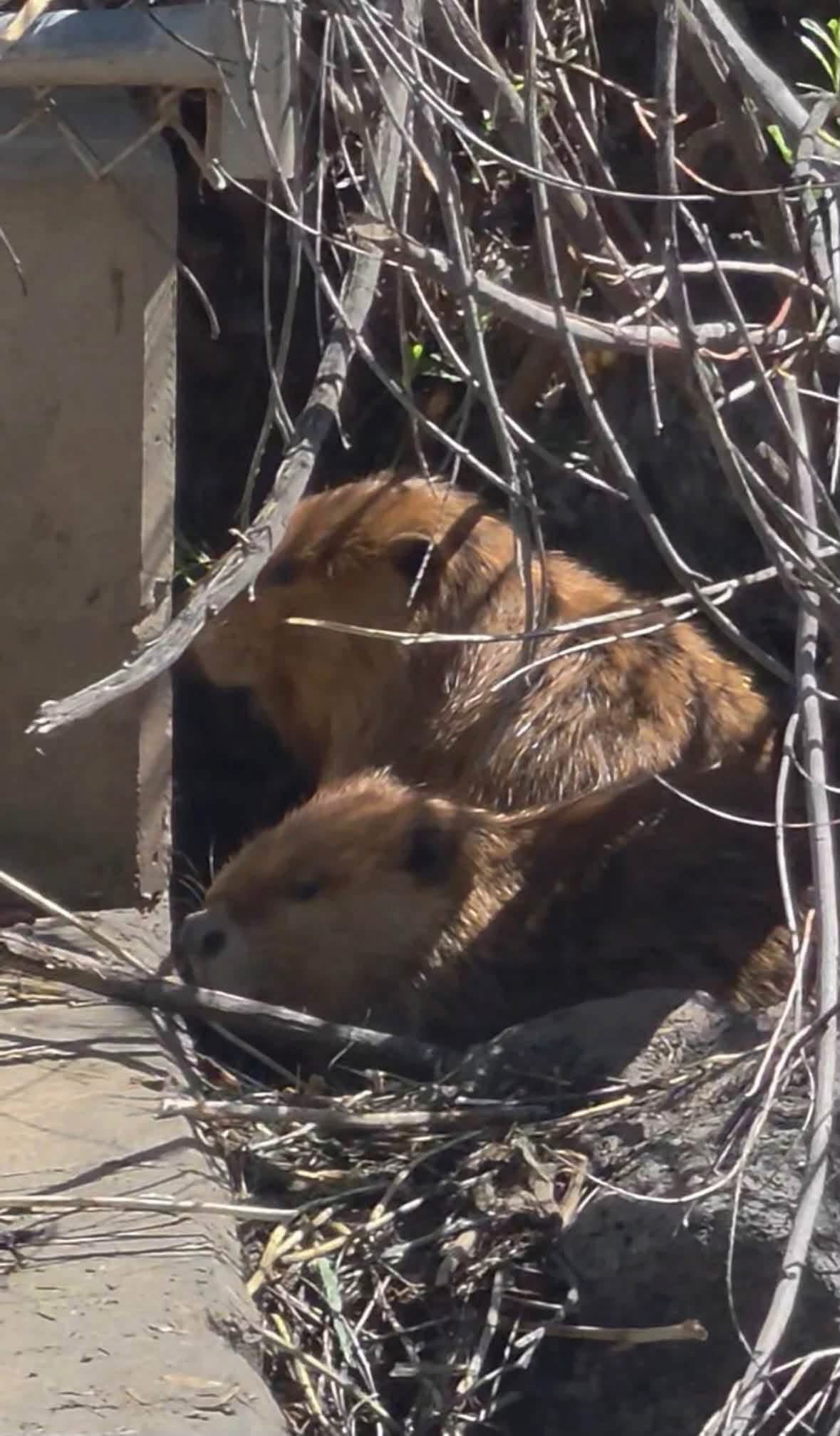
Before August 25, La Orilla was a stormwater-quality structure, not a planned pond. AMAFCA, the Albuquerque Metropolitan Arroyo Flood Control Authority, owns it and describes it as a facility for intercepting debris. During severe drought, however, water persisted there and became functioning habitat. Community members observed turtles, frogs, tadpoles, birds, and other animals using the water. Two beavers were confirmed living at La Orilla, and a den was present.
August 25: Work begins
On August 25, 2026, AMAFCA-authorized crews began maintenance at the site. Heavy equipment entered the work area and material was placed into portions of the water-filled structure while animals remained present. Residents who encountered the work raised concerns that animals could be buried, crushed, stranded, or otherwise harmed.
Residents intervene
Residents protested and tried to intervene as dirt was placed and work continued. They were also portrayed as agitators or as interfering with city workers doing their jobs. That framing treated the people objecting as the disruption, rather than addressing why wildlife was still in the work area and what protections had been completed before equipment arrived.
August 26: AMAFCA describes a paused operation
In a direct statement dated August 26, AMAFCA said clogged trash racks had left the facility draining improperly and confirmed that it had authorized the on-site maintenance. AMAFCA said it paused maintenance after learning wildlife remained in the water, then coordinated with Albuquerque Open Space and Environmental Health staff and wildlife biologists. It said biologists recommended continued draining so professionals could locate and relocate remaining animals. The statement reported approximately eight to ten turtles, primarily red-eared sliders, and several bullfrogs captured and relocated as of Wednesday evening; it said no dead or injured wildlife had been found and that the agency had not confirmed reports of a beaver at that time. AMAFCA also said water was being pumped downstream, debris removal would wait for wildlife biologists, water samples had been collected, and laboratory results and longer-term drainage decisions were pending.
A response after the alarm
Only after the public alarm did people associated with the City of Albuquerque’s Urban Biology Division and Albuquerque Open Space personnel appear at the site. The public record reviewed by this project does not show a complete wildlife survey, habitat assessment, or animal-accounting process before work began. The later City response was a reaction to work already underway—not evidence of pre-work planning or a successful relocation. The operation included pumping, searching, and animal removal, but it did not resolve the record’s central questions. AMAFCA later publicly acknowledged that wildlife concerns had caused the work to stop temporarily and that City personnel became involved.
August 27: A larger community count
A community message dated August 27 reported more than forty turtles and named four turtle types. It also said turtles had been relocated to the Rio Grande Nature Center and Tingley Beach. This is an attributed community account, not an official inventory or permit record, and it has not been independently reconciled with AMAFCA’s earlier estimate of eight to ten turtles. Reports also identified frogs, tadpoles, and additional aquatic life.
August 27: Other reported wildlife and access limits
Additional community messages dated August 27 reported two beavers, one snake, many bullfrogs, and possibly one alligator. The same source material said AMAFCA tape restricted access and that crews associated with AMAFCA and the City were positioned across the site from the general public, limiting contact. The snake and possible alligator were not identified by qualified professionals, and these accounts do not establish species, counts, permits, or handling records.
The two beavers and their den
Two beavers were confirmed living at La Orilla, and a den was present. The unresolved question is what happened to both animals and the den after work began. At least one beaver has since been reported dead, but the public record does not establish whether it was one of the La Orilla beavers or what caused its death. No complete official wildlife record has accounted for both beavers, the den, and any later handling or relocation.
August 28: Additional wildlife reports
A supplied public update dated August 28 reported a nest of baby turtles, large snapping turtles, bullfrogs, and leopard frogs. It said the beaver had not been located or removed and that wildlife biologists and the New Mexico Department of Game and Fish were aware and did not plan to remove it. Another source post from that date said a bulldozer was removing material and described the project as taking two weeks. These are attributed reports, not independent findings. They also conflict with the August 28 email attributed to the mayor’s office, which says City crews saved the beaver; neither account provides a complete animal record.
August 28: The City’s attributed account
Screenshots dated August 28 show an email attributed to the Office of Mayor Tim Keller. The reply says the City shared concerns about the work’s effect on wildlife and natural habitat, sent crews from Animal Welfare, Open Space, and Environmental Health to assist, and reported that City crews saved the beaver and other wildlife found at the retention pond. It also says the pond received mosquito treatment, identifies the work as an AMAFCA project, and says the City was not involved in the project or the decision to place sand. The screenshots are preserved as source material, but the email’s authenticity, sender, and statements have not been independently verified and it does not provide a species-by-species accounting.
August 29: A reported beaver death
A supplied public-post screenshot dated August 29 reports that a dead beaver was found near Paseo and Coors and attributes a visual identification to matching tail notches. The photograph documents an animal appearing to be a deceased beaver, while the location, identity, timing, cause of death, and any connection to the La Orilla work remain unverified. The post therefore supports preservation and investigation of the record, not a conclusion about causation.
Drainage and reported relocations
The structure continued to be drained and altered. AMAFCA said water was being pumped downstream along the structure’s normal drainage path toward the Rio Grande and that water-quality samples had been collected. Laboratory results and a complete public accounting of those tests remain outstanding in the record reviewed by this project. Animals were reportedly relocated to places including the Rio Grande Nature Center and Tingley Beach, but the record still does not show how many animals were captured, who handled each one, where every animal was released, what condition each animal was in, or whether post-release monitoring occurred. AMAFCA has also said it was considering permanent drainage modifications to prevent prolonged standing water from returning.
What the sequence explains
La Orilla was treated administratively as drainage infrastructure, yet during severe drought it had become functioning aquatic and riparian habitat. The conflict was therefore not simply “maintenance versus activists.” It was a failure to anticipate what happens when infrastructure becomes one of the few remaining sources of persistent water available to wildlife. Instead of a planned protection process, the response became an improvised search and removal effort only after members of the public intervened—and it still left the public record incomplete.
Why this project exists
The La Orilla Advocacy Project does not argue that stormwater infrastructure can never be maintained. It seeks to establish what happened, determine what approvals and environmental protections applied, obtain the missing wildlife and water-quality records, and prevent another maintenance project from reaching the point where residents have to stop heavy equipment because living animals are still inside the work area.
August 26: Reported rescue-access conditions
A 96.3 KKOB report published August 26 attributed the dirt placement to an effort to raise the water and improve access for wildlife rescue. The report said dry conditions made the standing water one of the few nearby sources of water and shelter, that AMAFCA planned drainage holes to reduce pooling, and that officials asked the public not to enter the structure or remove animals because of injury and disease risks. These details are reported by the publisher as statements from the agency and are not an independent field verification.
What Remains Unanswered
How many animals were actually present? How many were removed? Were any injured, killed, buried, or left behind? Who handled them and under what authority? Where were they taken? What did the water-quality testing show? What permits, environmental reviews, or wildlife assessments preceded the work? And what safeguards will be required before similar habitat is disturbed again? The current public record still does not answer all of these questions.