Legal and regulatory questions
This page identifies laws and regulatory questions that may warrant official review. It is not a legal conclusion, a finding that a violation occurred, or a substitute for an agency investigation.
Potentially relevant authorities include the Clean Water Act, Endangered Species Act, Migratory Bird Treaty Act, National Environmental Policy Act, National Historic Preservation Act, New Mexico Water Quality Act, New Mexico wildlife rules, and the New Mexico Wildlife Conservation Act.
Jurisdiction, permits, exemptions, species, causation, intent, and the underlying facts remain for responsible authorities to determine.
La Orilla Advocacy Project
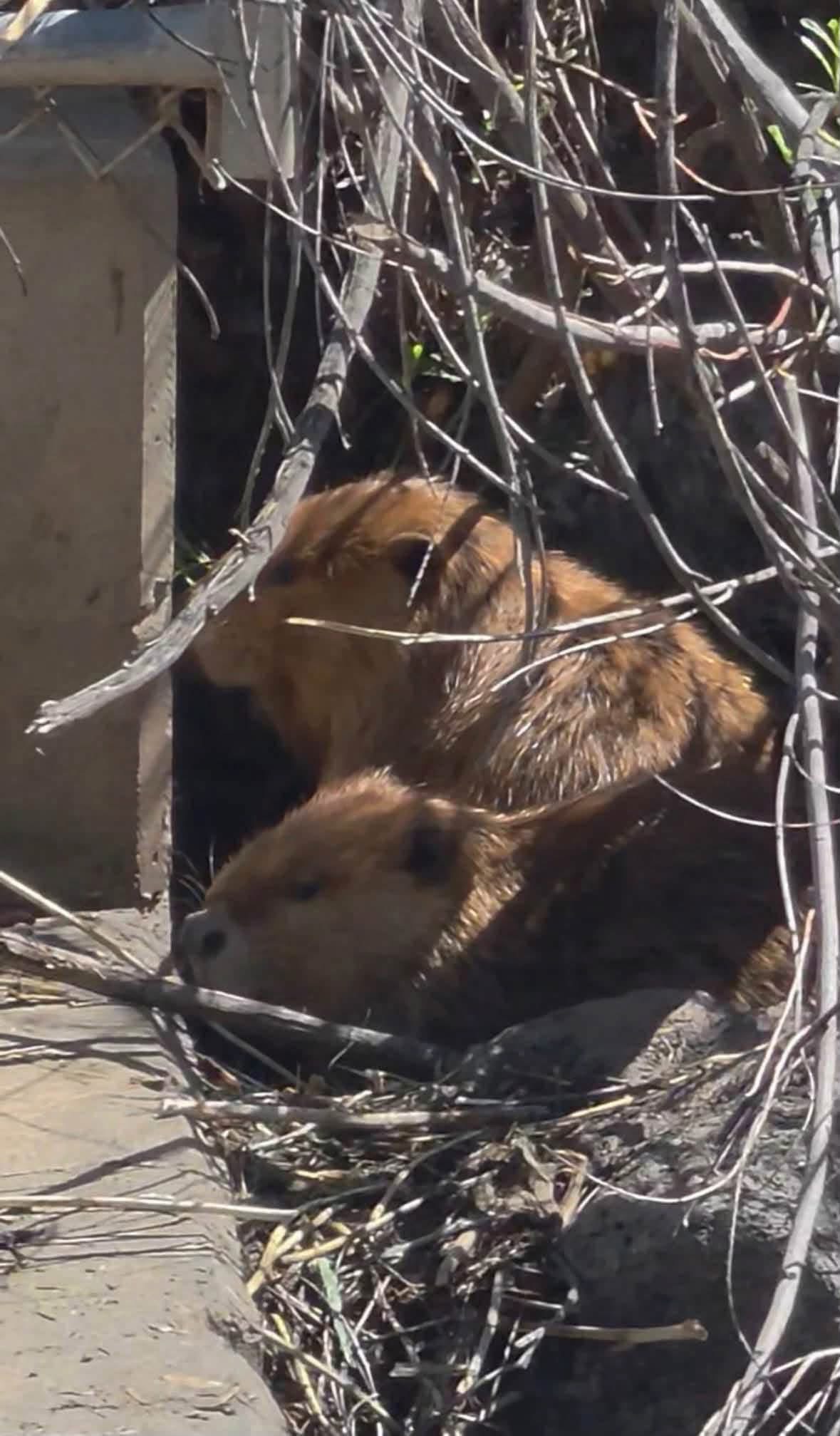
During an exceptionally dry Albuquerque summer, persistent water inside the La Orilla Outlet Water Quality Structure became an unintended refuge for wildlife. On August 25, 2026, AMAFCA-authorized work began while animals were still present. Before citizens intervened, workers dumped a considerable amount of dirt into the habitat, likely covering some animals still inside.
A public outcry grew as residents tried to save the animals. Only afterward did people associated with the City of Albuquerque’s Urban Biology Division and Albuquerque Open Space personnel appear at the site. Residents who protested and tried to intervene were also portrayed as agitators or as interfering with city workers doing their jobs. The public record does not show a complete wildlife survey or habitat assessment before work began, and the later response left the handling, relocation, and fate of the animals unresolved.
The La Orilla Advocacy Project documents what happened, preserves evidence, seeks accountability, and works to prevent it from happening again.
AMAFCA authorized the on-site work, but that agency authorization is distinct from the question of whether every required permit and regulatory approval was obtained. The filling appears to have proceeded without publicly available evidence of a proper hydrologic survey, wildlife survey, habitat assessment, water-quality assessment, or review of impacts to connected waterways. Because the site is close to the Rio Grande watershed, it may threaten protected native species, including the Rio Grande silvery minnow, and may contaminate its habitat through changes to water quality, sediment, or runoff. This calls for field checks and water-quality testing.
As stewards of this environment, we cannot accept AMAFCA-authorized work that included the attempted filling of a living habitat.
Legal
Disclaimer
This page identifies laws and regulatory questions that may warrant official review. It is not a legal conclusion, a finding that any violation occurred, or a substitute for an agency investigation. Jurisdiction, permits, exemptions, species, causation, intent, and the underlying facts remain for the responsible authorities to determine.
Every issue below includes the legal threshold, evidence limits, records and factual questions, controlling official sources, the recommended public authority, recipient contact information, and a prepared complaint letter.
The wildlife affected by the drainage of its habitat at La Orilla needs the community to speak up. This does not happen in isolation: we need stronger oversight and protections for wildlife in and around our bosque. Review the official sources, choose the agency or office that matches your concern, and send a respectful, informed letter asking for immediate answers about AMAFCA's authorization, the work, the animals, the permits, and the regulatory approvals. Every letter shows that this community is paying attention and asks the responsible agencies to verify the facts and protect any animals still at the site.
Actions we’re asking officials to take
- Open an independent investigation into why the ditch was drained before documented wildlife, habitat, and water-quality surveys were completed, and identify every official, contractor, operator, and handler involved.
- Publish a complete accounting for every animal taken or encountered: species, number, condition, capture or handling method, date, time, handlers, destination, and outcome—including a documented investigation of the reported beaver death and any other deaths.
- Document AMAFCA's authorization, identify who directed and performed the work, and hold responsible decision-makers, contractors, and handlers accountable for any mishandling, unauthorized taking or relocation, injury, death, or other violation established by the evidence.
- Document the habitat destruction and require a funded restoration and monitoring plan for the ditch, water, soil, and connected waterways, with public progress reports.
Read it yourself or attach it to your message.